News & Updates

By The First Call • October 1, 2026
When the Golf Course Builders Association of America began in the late 1970s, it would have been difficult to predict the dramatic market swings of course construction. Today, the association is thriving thanks to a healthy membership and a desire to adapt. During the Golden Age of design through the 1920s, courses were constructed more simply — crafted with vision, shovels and horse-drawn implements. A century later, technological advancements and the evolution of the game has brought us to a place deserving of a wry smile: one equipped with laser grading, GPS-directed machinery, low-impact tires and drones to help with modern golf course construction. Yet what’s old is new. Fortunes are tied to one ongoing course design and construction trend: restoring these Golden Age gems. The Golf Course Builders Association of America (GCBAA) holds a front-row seat — or the seat of a front-loader, anyway — to this movement. Astoundingly, one member company is scheduled to build 400 holes, and years of contracted backlog are common. Golf course construction is a rugged, tough business. Work depends on weather, problem-solving is constant and delivery schedules are pressured at best. Relying heavily on supply chains and subcontractors make frustrating moments inevitable. Still, courses get built and the GCBAA is there to educate, support and certify its members. GTI Golf is one of those members and is part of the team working on Kawonu Golf Club, Andrew Green’s high-profile original design outside of Greenville, South Carolina. GTI Golf is handling irrigation, drainage, infrastructure and other technical services. Joining the GCBAA was a priority when GTI Golf incorporated. “The GCBAA represents a standard of quality, vetted by its own, whose goal is to ensure that we, as members, maintain industry standards that future clients and partners can trust,” says Ashley Wilkinson, vice president at GTI Golf. Within the GCBAA, 650 involved industry professionals represent approximately 310 member companies: 60% are suppliers and partners; 27% are irrigation contractors, golf course builders or renovation builders; and 15% are professional, international and independent industry experts. Based in 41 states and seven countries and territories, they demonstrate the industry’s broad reach. Darryl Bartlett, senior manager and chief development officer at NMP Golf Construction, shares long-standing GCBAA ties. His late father, Vincent E. Bartlett, built golf courses in the 1960s and joined the GCBAA. Darryl started in his teens as a shaper, project manager and estimator for his father, executed projects independently, and eventually joined NMP, which operates in the U.S. and Canada, specializing in high-end construction, irrigation and drainage projects. “We take on the appropriate amount of work,” Bartlett says. “We're right on the edge of being fully stressed and fully caffeinated. It’s the same for 95% of the industry right now.” As a GCBAA director, Bartlett helps evaluate new member applications. It is a deeply committed group. Membership statistics reveal that the average company tenure exceeds 20 years with many belonging for 30 years or more, while individual members average over 14 years. Mychelle Thompson, program and planning manager for the GCBAA, says that “approximately 25 member companies have achieved GCBAA certification in construction, renovation, and irrigation. Nearly one-third of GCBAA's contractor members have earned advanced GCBAA certifications, and many member companies are actively pursuing upgraded status and working towards certification.” Members showcase their credentials on their own websites and through the GCBAA’s searchable online database. WHAT IT MEANS What does deeply committed members signal to the industry? “The business is cutthroat,” says Justin Apel, GCBAA executive director. “It’s builders against builders, suppliers against suppliers. But when they all get together, it's so much fun. The camaraderie is great.” This year’s annual meeting in July in Traverse City, Michigan, blended networking, education, trade show exhibits and competitive golf. Member companies are often pursuing certifications to navigate the dynamic industry. “It's hard to define golf construction because there are so many different things happening within that space,” Apel says. “When this group was founded, those contractors could do everything.” Fewer members operate this way now. “It's changed,” says Apel. “Everyone has specialized. The whole idea of loading up equipment and shipping it across the country, that doesn't happen anymore. Builders don’t own equipment like they used to because there is access through rental and leasing programs. It's incredible what that network has done and that’s only one example of how builders have diversified.” By outsourcing specialized labor like wetlands permitting or erosion prevention, builders focus on core strengths. “Builders can absolutely do what they're best at and not have the overhead for managing everything else,” Apel says. “That's why our membership has grown to the level it has, because there are multiple companies that do the work and it expands the reach.” With specialization, trust and reputation are vital assets enhanced by GCBAA standing. “The client should be confident hiring a certified builder, knowing they are respected by their peers and have a long work history of satisfied clients,” Wilkinson says. “Additionally, partnering with a GCBAA member on a project affords us a level of confidence, knowing we are partnering with an invested contractor. While we compete for projects, there is an underlying respect between GCBAA members.” NMP was trusted to help restore Detroit Golf Club’s North Course — originally designed by Donald Ross, completed in 1916, and host of the eighth and final playing of the PGA Tour’s Rocket Classic in 2026. After the summer meeting Bartlett traveled across Michigan to the tournament. “The architect, Tyler Rae, was there, and we had a big presence from NMP,” Bartlett says. “We put 115 people on this last year. It was a crazy timeline and a lot of people said it couldn't be done, but we did it. We did the irrigation, greens, fairways, bunkers and 9,000 feet of big pipe, 30 feet deep. It was all hands-on, but we did it.” While ideal collaboration involves the architect, foreman and superintendent, builders usually oversee subcontractors. “The most ideal situation is for the builder to be in control of that,” Apel says. “There’s a sequence of how all of these things have to happen, and there needs to be an ironclad contract in addition to agreed-upon expectations.” Design adjustments occur naturally, but change orders require legal frameworks. “Kawonu is an exciting project,” Wilkinson says. “At this level, only the best contractors get invited to participate in the bid process. The GCBAA provides a clearinghouse of sorts, that the owner and the contractors can rely on. It’s important to know that everyone in the room is capable and can prove it. Kawonu will undoubtedly be a world-class property. It’s thrilling for us at GTI Golf to partner with clients who are as purpose-driven as we are.” NMP worked on several Southern projects this summer before shifting North this fall. The best thing about the GCBAA is that “you get some referrals, you get some networking, but it keeps a higher standard of construction expectations,” Bartlett says. “It's not just, ‘Today I was a landscaper, tomorrow I'm going to be a golf course builder.’ Being a certified golf course builder takes time and effort. You have to have years of experience and be approved by your peers.” Apel acknowledges member fatigue amid high demand. “There's a lot of golf being constructed and it is amazing,” he says, “but you can only move so fast. I am impressed with them. Builders have a different seat at the table now, in a good way. In the boardrooms, they’ve shown that they can execute, solve problems and exceed expectations. They want to be part of the conversation and not just the lowest bidder.” Greater education has fostered industry collaboration. Because builders are often the last paid, they are strongly incentivized to complete quality work on time and on budget. Trends in building include specialty equipment, such as wider, low-tread, lightweight tires to minimize impact, plus drones for site tracking and material calculations. Safety technology flags texting while driving and detects employee safety vests to prevent collisions. The GCBAA internship program introduces students to varied careers within course construction. “They will spend time with a superintendent, architect, manufacturers and distributors, as well as a shovel. Interns will walk away with a complete understanding of what it takes to build and maintain a golf course,” Apel says. This year’s program featured six interns, and plans are underway to scale the program. Another GCBAA initiative assists junior golfers. Donations have evolved from clubs and equipment to helping for land development, course renovation work and construction that will provide more playing opportunities for junior golfers. Meanwhile, builders work with minimal disruption so courses can remain open and protect revenue. Incoming GCBAA members are keen on understanding the return on investment. “That's absolutely fair,” Apel says, “and we can save them on health insurance, travel, equipment rental and more.” The annual meeting celebrated excellence through education, charitable auctions and networking. One of the most enjoyed traditions, the “Earthmover Award,” went to the last-place golf team. “That’s the best prize,” Apel says with a smile. “It’s a great big Caterpillar, diecast, metal trophy. It’s coveted.”

By Golf Course Industry • September 1, 2026
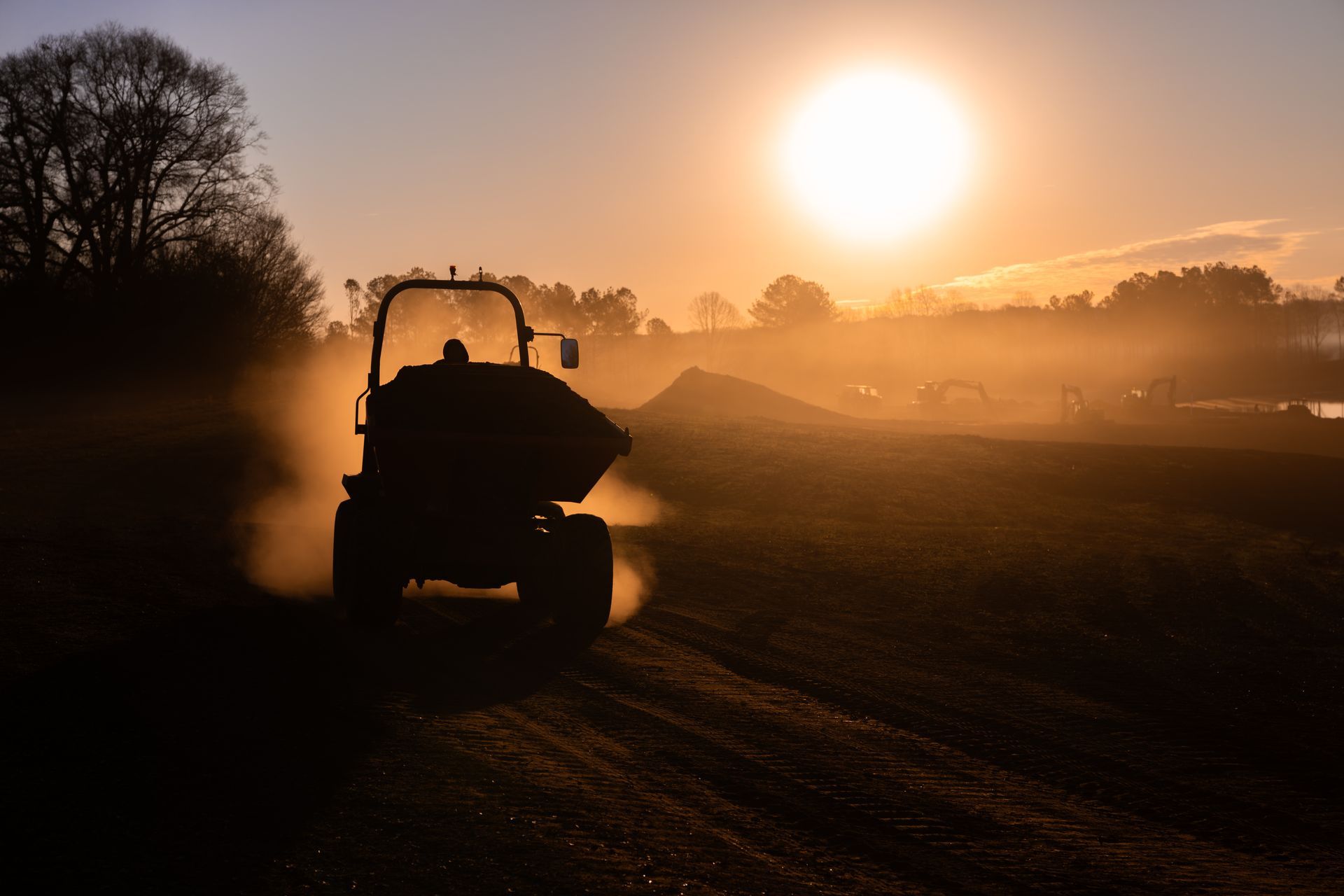
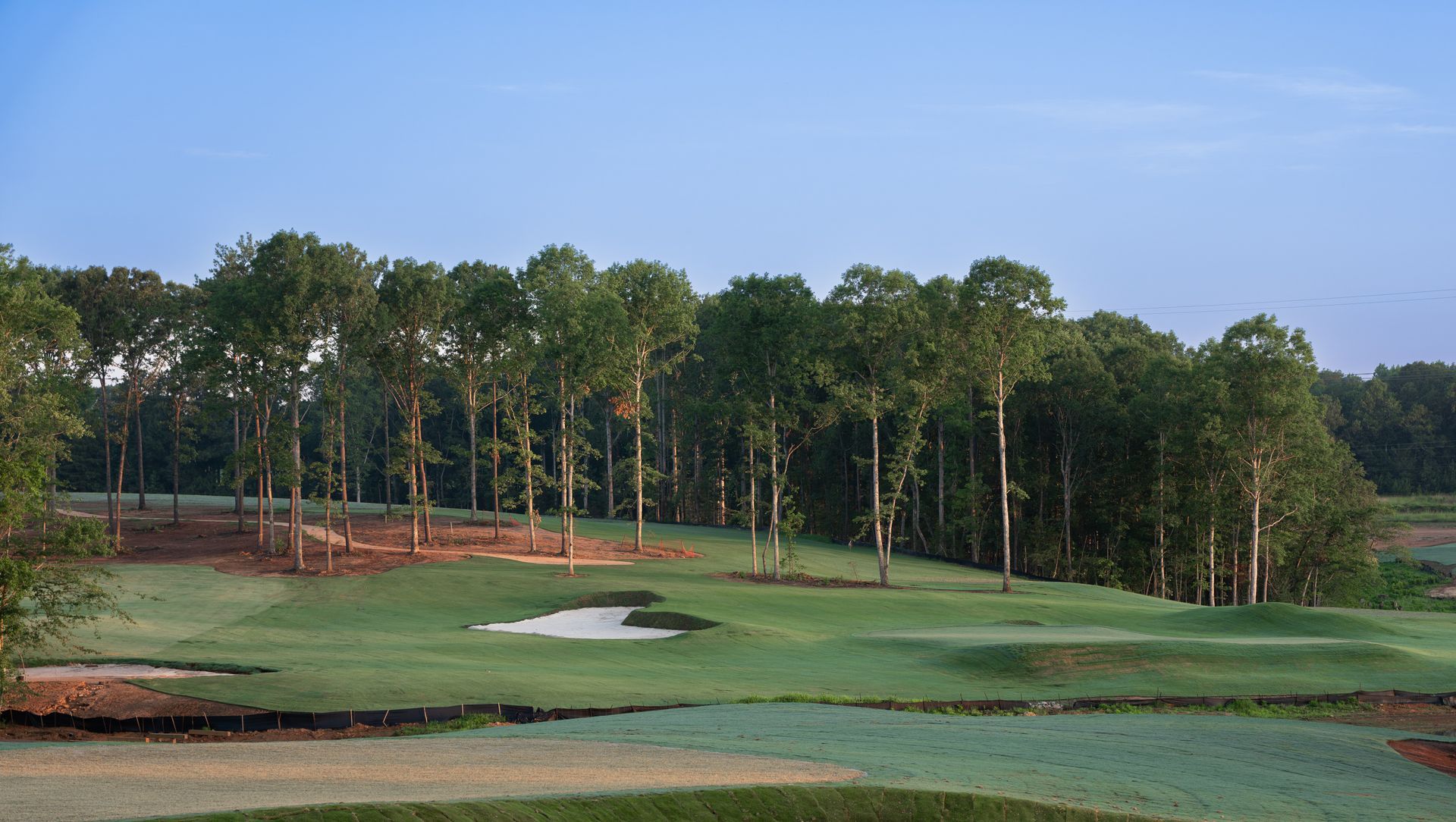
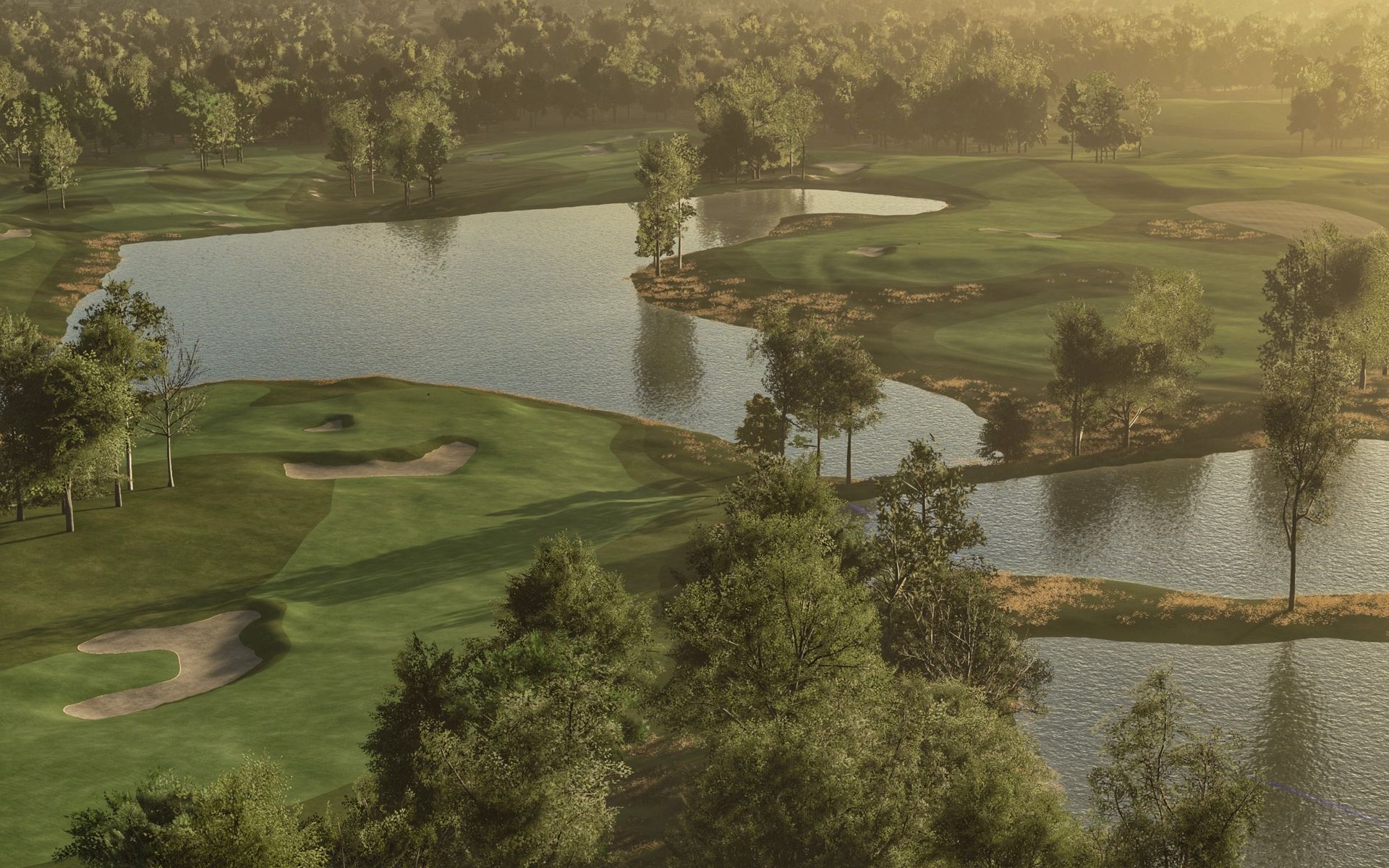
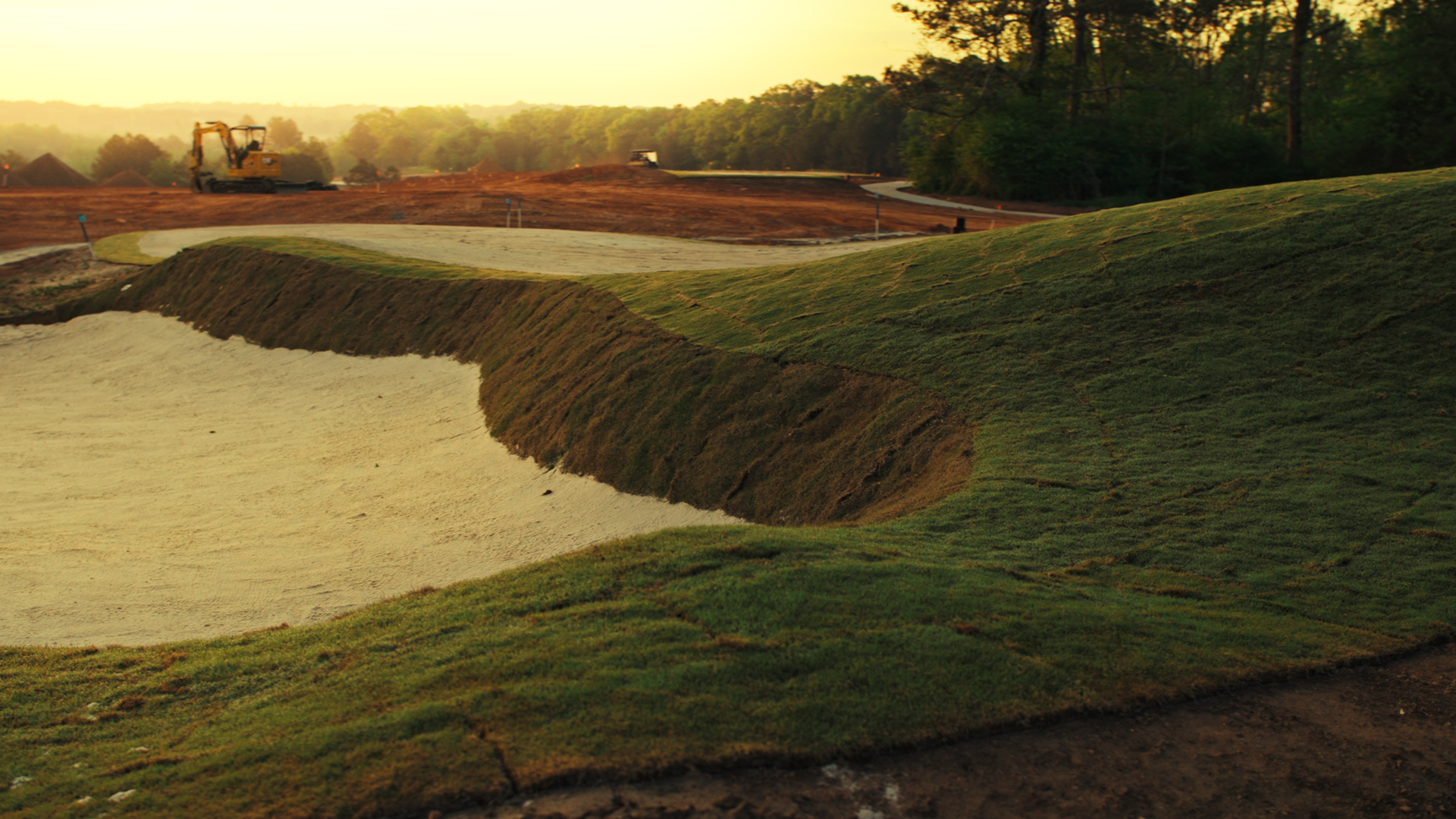
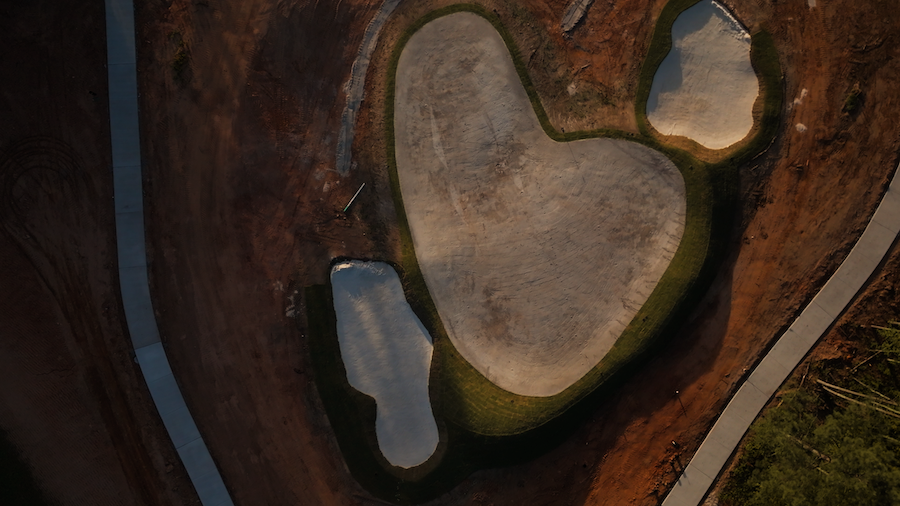
This final step brings course construction to a close as the private, golf-only club prepares for a spring 2027 opening.  Kawonu Golf Club has completed grassing across all 18 holes of its championship course, bringing major course construction to a close as the private, golf-only club moves toward its spring 2027 opening. The milestone comes approximately 16 months after Kawonu broke ground in April 2025. With sodding, seeding and sprigging finished, director of agronomy David Barrett and his team will guide the Greenville, South Carolina, course through the remaining grow-in period, establishing and maturing the turf ahead of opening. “This is a major milestone for Kawonu and represents more than a year of work across the entire course,” Kawonu Golf Club founding partner Scott Ferrell said. “To reach the point where all 18 holes are fully grassed is a tremendous accomplishment and a credit to Andrew, David and everyone who has had a hand in bringing the course to this stage. We’re incredibly pleased with where it stands today and look forward to watching the course continue to mature.” Course architect Andrew Green designed Kawonu to follow the natural contours of the land, routing holes through rolling terrain, open meadows and mature hardwood forest. That approach has guided each phase of construction, with an emphasis on preserving the character of the landscape while shaping a course that feels cohesive and enduring. “At this stage, the character of the course is coming through in a new way,” Green said. “You can see how the routing, shaping and natural features of the property work together from one hole to the next. The land has guided the design from the beginning, and seeing the course reach this point reinforces what made this property such a compelling place for golf.” Barrett and his team will spend the coming months gradually adjusting mowing heights and maintenance practices as the turf develops. Barrett brings more than two decades of experience at top-ranked clubs, including Congaree Golf Club, and has worked closely with Green throughout construction on decisions ranging from grass selection and irrigation to the maintainability of individual slopes and playing surfaces. “We can now begin to dial in the conditioning of the course,” Barrett said. “For us, that means developing firm, consistent playing surfaces and greens that are true, with the right balance of speed and firmness. Those conditions are built over time, and the coming months give us the opportunity to make incremental improvements every day as the turf matures.” Kawonu remains on track for a spring 2027 opening. In addition to the 18-hole championship course, plans for the property include a golf house, main clubhouse, on-site lodging and Tuck’s Cabin, a fishing cabin overlooking the 10-acre lake at the center of the front nine. Situated on more than 290 acres of rolling meadows, hardwood forests and Reedy River frontage, Kawonu is the first private, golf-only club developed in the Upstate in more than 30 years.
By TALK Greenville • August 12, 2026
Scott Ferrell has been shaping golf experiences around the world for 35 years. His newest project is the development and opening of Kawonu Golf Club, Greenville’s first new private golf club in more than 30 years. Located along the Reedy River, the club is named for the Cherokee word for “duck,” honoring the heritage of the people who once called these lands home. Billed as a course for true golf enthusiasts who value the simple joy and traditions of the game and the camaraderie that comes with it, Kawonu was designed by Andrew Green, one of the most prominent names in golf course architecture. The club will feature member lodging for extended stays, a clubhouse with food and beverage offerings and a state-of-the-art training facility. Scott took a few minutes to talk about his vision for Kawonu and the unique experience the club will offer its members. TALK Greenville: Thank you for taking some time to talk with us. You’ve been creating golf experiences around the world for the last 35 years. When did you know it was time to create something of your own in the Upstate? Scott Ferrell: Our family moved to Greenville 18 years ago when I was working with the Gary Player Group. The Cliffs brought us here to develop a golf course associated with a residential community. Living here for almost two decades and remaining close to the golf scene gave me a unique insight into the opportunity and I felt it would be a success. There hasn’t been a private golf club opened here in over 30 years. Coming out of COVID, golf is in a really good place, so the timing seems right. TG: Kawonu is already getting wide acclaim as one of the most significant private golf developments in the Southeast. What is your vision for this project? SF: The vision is to create a place that honors the traditions of golf and focuses on the experience of playing the game. At its best, golf brings people together over time, and that’s a big part of what we’re trying to create at Kawonu. We want it to be a traditional experience that respects the game. TG: Has an opening date been set? SF: We are targeting the opening for Spring of 2027. Our construction has made great progress. We could be fully grassed this summer, which will give us ample time for grow-in and to prepare for opening. By September, it should look ready for play. TG: The development’s land along the Reedy River has a rich history. How did the heritage of the property influence the course design? SF: Great golf courses come from working with the land rather than imposing on it. From the beginning, the property’s rolling topography, lakes, open meadows and hardwoods shaped the direction of the course. Our goal has always been to create something that feels native to the landscape — as if it has been here for generations. TG: Kawonu is being described as intentionally “golf‑only.” Why was this important to you? SF: We didn’t want the distractions of tennis, swimming, or pickleball. The goal is a singular golf experience – the best it can possibly be. TG: You’ve worked everywhere from the PGA Tour to Gary Player Design to the Cliffs. How are those experiences shaping Kawonu? SF: I’ve spent more than 50 years around the game and have been exposed to the world’s top golf courses. Those experiences teach you what truly matters and what doesn’t. At Kawonu, we are focused on the fundamentals: a great golf course, exceptional conditioning and an environment where relationships and traditions can flourish. The simplicity of the golf-only concept is one of the essentials that will make Kawonu great. TG: How would you describe the atmosphere of Kawonu? SF: Traditional and natural. The property allows the course to blend seamlessly into the landscape without feeling forced. From the beginning, the goal was to create something new that looks and feels as if it has always been here. TG: What kind of experience are you hoping members will have the first time they step onto the course? SF: I want them to feel like they’ve stepped onto a world-class golf course, both in design and conditioning. We’ve hired a highly qualified Director of Agronomy and he will prepare the golf course each day to world-class condition. We want every first impression to reflect the care and attention that has gone into each detail of the project. TG: This project is already drawing attention from across the country. What is it about Kawonu and the Upstate that makes it special? SF: We’ve done a good job of building a brand with a clear, disciplined vision that golfers respond to, and we’ve done a good job of communicating that brand across various formats and channels. Greenville is a huge asset to us because the city and the Upstate have drawn national attention. TG: What plans do you have for Kawonu’s opening? SF: I’m going to keep it simple. No fireworks. No balloons. We’ve spent years honoring this land and we don’t want to get in the way of that on opening day. After all the time we’ve put into dreaming about it and building it, what I really want is to bring a special group of people to a very special place and let the golf course speak for itself.
By The Hole Story Podcast • July 6, 2026
Scott Ferrell joins us to share the journey of developing Kawonu Golf Club in Greenville, South Carolina, from land selection to design with architect Andrew Green, and the vision for a golf-only, community-focused experience. LISTEN HERE.
By Athlon Sports • July 1, 2026
The latest construction milestones at South Carolina’s Kawonu Golf Club reveal more than progress; they offer the clearest glimpse yet of a private golf experience rooted in timeless architecture, thoughtful design and an unwavering commitment to the game. Every now and then, a new golf course comes along that quietly captures the attention of architecture enthusiasts long before a single scorecard is signed. Kawonu Golf Club is becoming one of those places. Nestled on more than 290 acres outside Greenville, South Carolina, the private, golf-only club has steadily built momentum over the past year without relying on flashy announcements or celebrity fanfare. Instead, it has allowed the land, the design team and a clearly defined vision to tell its story. Two recent construction milestones—the beginning of course grassing and the unveiling of the clubhouse complex—suggest that story is entering an exciting new chapter. For golfers who appreciate great architecture as much as great golf, these aren’t simply construction updates. They’re the first tangible signs that one of the country’s most anticipated private clubs is beginning to emerge from the landscape. Anyone who has ever watched a golf course being built knows the most important work often happens out of sight. Before fairways turn green, countless hours are spent moving earth, shaping contours, installing drainage and laying irrigation. It’s essential work, but it requires a bit of imagination to see what the finished product will eventually become. That changes once grass begins to take hold. Since breaking ground in April 2025, Kawonu has completed much of the heavy construction across the property. With shaping and irrigation now largely complete, crews have begun sodding and grassing the championship layout, moving methodically from greens and tees to fairways. The transformation may seem cosmetic to the casual observer, but in reality it marks one of the most significant milestones in the life of any new golf course. Andrew Green, whose reputation has skyrocketed through acclaimed restoration work at some of America’s most revered clubs, has said grassing is the stage where golfers finally begin to understand the rhythm of the routing. Instead of isolated construction zones, the individual holes begin connecting into a cohesive journey across the property. That’s particularly exciting at Kawonu, where Green has routed the course through rolling meadows, mature hardwood forests and the Reedy River corridor rather than forcing the landscape to conform to a preconceived design. Everything we’ve learned about the project suggests the land remains the star of the show. READ FULL ARTICLE HERE.
By Athlon Sports • June 9, 2026
After years restoring some of American golf’s most important venues, Andrew Green is nearing a new milestone with Firefly in Tennessee and Kawonu Golf Club in South Carolina. Andrew Green’s name has become almost shorthand for one of the most important movements in modern golf architecture. When a historic course needs to remember what it once was without becoming frozen in time, Green has become one of the industry’s most trusted voices. His restoration and renovation work has touched major championship venues, PGA Tour stages and some of the country’s most studied clubs. But the next chapter is not about restoring someone else’s original intent. It is about seeing Green’s own intent come to life. Over the next year, two very different projects will move from construction story to playing experience. Firefly, a new luxury golf community in Spring Hill, Tennessee, is preparing to open an 18-hole championship course and 9-hole short course in fall 2026. Kawonu Golf Club, a private, golf-only club near Greenville, South Carolina, is moving through grassing and grow-in toward a 2027 opening. Together, they create one of the more compelling architecture stories in American golf. Same architect. Same belief in land, strategy and restraint. Two completely different assignments. READ FULL ARTICLE HERE.
VIEW MORE

News & Updates

By The First Call • October 1, 2026
When the Golf Course Builders Association of America began in the late 1970s, it would have been difficult to predict the dramatic market swings of course construction. Today, the association is thriving thanks to a healthy membership and a desire to adapt. During the Golden Age of design through the 1920s, courses were constructed more simply — crafted with vision, shovels and horse-drawn implements. A century later, technological advancements and the evolution of the game has brought us to a place deserving of a wry smile: one equipped with laser grading, GPS-directed machinery, low-impact tires and drones to help with modern golf course construction. Yet what’s old is new. Fortunes are tied to one ongoing course design and construction trend: restoring these Golden Age gems. The Golf Course Builders Association of America (GCBAA) holds a front-row seat — or the seat of a front-loader, anyway — to this movement. Astoundingly, one member company is scheduled to build 400 holes, and years of contracted backlog are common. Golf course construction is a rugged, tough business. Work depends on weather, problem-solving is constant and delivery schedules are pressured at best. Relying heavily on supply chains and subcontractors make frustrating moments inevitable. Still, courses get built and the GCBAA is there to educate, support and certify its members. GTI Golf is one of those members and is part of the team working on Kawonu Golf Club, Andrew Green’s high-profile original design outside of Greenville, South Carolina. GTI Golf is handling irrigation, drainage, infrastructure and other technical services. Joining the GCBAA was a priority when GTI Golf incorporated. “The GCBAA represents a standard of quality, vetted by its own, whose goal is to ensure that we, as members, maintain industry standards that future clients and partners can trust,” says Ashley Wilkinson, vice president at GTI Golf. Within the GCBAA, 650 involved industry professionals represent approximately 310 member companies: 60% are suppliers and partners; 27% are irrigation contractors, golf course builders or renovation builders; and 15% are professional, international and independent industry experts. Based in 41 states and seven countries and territories, they demonstrate the industry’s broad reach. Darryl Bartlett, senior manager and chief development officer at NMP Golf Construction, shares long-standing GCBAA ties. His late father, Vincent E. Bartlett, built golf courses in the 1960s and joined the GCBAA. Darryl started in his teens as a shaper, project manager and estimator for his father, executed projects independently, and eventually joined NMP, which operates in the U.S. and Canada, specializing in high-end construction, irrigation and drainage projects. “We take on the appropriate amount of work,” Bartlett says. “We're right on the edge of being fully stressed and fully caffeinated. It’s the same for 95% of the industry right now.” As a GCBAA director, Bartlett helps evaluate new member applications. It is a deeply committed group. Membership statistics reveal that the average company tenure exceeds 20 years with many belonging for 30 years or more, while individual members average over 14 years. Mychelle Thompson, program and planning manager for the GCBAA, says that “approximately 25 member companies have achieved GCBAA certification in construction, renovation, and irrigation. Nearly one-third of GCBAA's contractor members have earned advanced GCBAA certifications, and many member companies are actively pursuing upgraded status and working towards certification.” Members showcase their credentials on their own websites and through the GCBAA’s searchable online database. WHAT IT MEANS What does deeply committed members signal to the industry? “The business is cutthroat,” says Justin Apel, GCBAA executive director. “It’s builders against builders, suppliers against suppliers. But when they all get together, it's so much fun. The camaraderie is great.” This year’s annual meeting in July in Traverse City, Michigan, blended networking, education, trade show exhibits and competitive golf. Member companies are often pursuing certifications to navigate the dynamic industry. “It's hard to define golf construction because there are so many different things happening within that space,” Apel says. “When this group was founded, those contractors could do everything.” Fewer members operate this way now. “It's changed,” says Apel. “Everyone has specialized. The whole idea of loading up equipment and shipping it across the country, that doesn't happen anymore. Builders don’t own equipment like they used to because there is access through rental and leasing programs. It's incredible what that network has done and that’s only one example of how builders have diversified.” By outsourcing specialized labor like wetlands permitting or erosion prevention, builders focus on core strengths. “Builders can absolutely do what they're best at and not have the overhead for managing everything else,” Apel says. “That's why our membership has grown to the level it has, because there are multiple companies that do the work and it expands the reach.” With specialization, trust and reputation are vital assets enhanced by GCBAA standing. “The client should be confident hiring a certified builder, knowing they are respected by their peers and have a long work history of satisfied clients,” Wilkinson says. “Additionally, partnering with a GCBAA member on a project affords us a level of confidence, knowing we are partnering with an invested contractor. While we compete for projects, there is an underlying respect between GCBAA members.” NMP was trusted to help restore Detroit Golf Club’s North Course — originally designed by Donald Ross, completed in 1916, and host of the eighth and final playing of the PGA Tour’s Rocket Classic in 2026. After the summer meeting Bartlett traveled across Michigan to the tournament. “The architect, Tyler Rae, was there, and we had a big presence from NMP,” Bartlett says. “We put 115 people on this last year. It was a crazy timeline and a lot of people said it couldn't be done, but we did it. We did the irrigation, greens, fairways, bunkers and 9,000 feet of big pipe, 30 feet deep. It was all hands-on, but we did it.” While ideal collaboration involves the architect, foreman and superintendent, builders usually oversee subcontractors. “The most ideal situation is for the builder to be in control of that,” Apel says. “There’s a sequence of how all of these things have to happen, and there needs to be an ironclad contract in addition to agreed-upon expectations.” Design adjustments occur naturally, but change orders require legal frameworks. “Kawonu is an exciting project,” Wilkinson says. “At this level, only the best contractors get invited to participate in the bid process. The GCBAA provides a clearinghouse of sorts, that the owner and the contractors can rely on. It’s important to know that everyone in the room is capable and can prove it. Kawonu will undoubtedly be a world-class property. It’s thrilling for us at GTI Golf to partner with clients who are as purpose-driven as we are.” NMP worked on several Southern projects this summer before shifting North this fall. The best thing about the GCBAA is that “you get some referrals, you get some networking, but it keeps a higher standard of construction expectations,” Bartlett says. “It's not just, ‘Today I was a landscaper, tomorrow I'm going to be a golf course builder.’ Being a certified golf course builder takes time and effort. You have to have years of experience and be approved by your peers.” Apel acknowledges member fatigue amid high demand. “There's a lot of golf being constructed and it is amazing,” he says, “but you can only move so fast. I am impressed with them. Builders have a different seat at the table now, in a good way. In the boardrooms, they’ve shown that they can execute, solve problems and exceed expectations. They want to be part of the conversation and not just the lowest bidder.” Greater education has fostered industry collaboration. Because builders are often the last paid, they are strongly incentivized to complete quality work on time and on budget. Trends in building include specialty equipment, such as wider, low-tread, lightweight tires to minimize impact, plus drones for site tracking and material calculations. Safety technology flags texting while driving and detects employee safety vests to prevent collisions. The GCBAA internship program introduces students to varied careers within course construction. “They will spend time with a superintendent, architect, manufacturers and distributors, as well as a shovel. Interns will walk away with a complete understanding of what it takes to build and maintain a golf course,” Apel says. This year’s program featured six interns, and plans are underway to scale the program. Another GCBAA initiative assists junior golfers. Donations have evolved from clubs and equipment to helping for land development, course renovation work and construction that will provide more playing opportunities for junior golfers. Meanwhile, builders work with minimal disruption so courses can remain open and protect revenue. Incoming GCBAA members are keen on understanding the return on investment. “That's absolutely fair,” Apel says, “and we can save them on health insurance, travel, equipment rental and more.” The annual meeting celebrated excellence through education, charitable auctions and networking. One of the most enjoyed traditions, the “Earthmover Award,” went to the last-place golf team. “That’s the best prize,” Apel says with a smile. “It’s a great big Caterpillar, diecast, metal trophy. It’s coveted.”

By Golf Course Industry • September 1, 2026
This final step brings course construction to a close as the private, golf-only club prepares for a spring 2027 opening.  Kawonu Golf Club has completed grassing across all 18 holes of its championship course, bringing major course construction to a close as the private, golf-only club moves toward its spring 2027 opening. The milestone comes approximately 16 months after Kawonu broke ground in April 2025. With sodding, seeding and sprigging finished, director of agronomy David Barrett and his team will guide the Greenville, South Carolina, course through the remaining grow-in period, establishing and maturing the turf ahead of opening. “This is a major milestone for Kawonu and represents more than a year of work across the entire course,” Kawonu Golf Club founding partner Scott Ferrell said. “To reach the point where all 18 holes are fully grassed is a tremendous accomplishment and a credit to Andrew, David and everyone who has had a hand in bringing the course to this stage. We’re incredibly pleased with where it stands today and look forward to watching the course continue to mature.” Course architect Andrew Green designed Kawonu to follow the natural contours of the land, routing holes through rolling terrain, open meadows and mature hardwood forest. That approach has guided each phase of construction, with an emphasis on preserving the character of the landscape while shaping a course that feels cohesive and enduring. “At this stage, the character of the course is coming through in a new way,” Green said. “You can see how the routing, shaping and natural features of the property work together from one hole to the next. The land has guided the design from the beginning, and seeing the course reach this point reinforces what made this property such a compelling place for golf.” Barrett and his team will spend the coming months gradually adjusting mowing heights and maintenance practices as the turf develops. Barrett brings more than two decades of experience at top-ranked clubs, including Congaree Golf Club, and has worked closely with Green throughout construction on decisions ranging from grass selection and irrigation to the maintainability of individual slopes and playing surfaces. “We can now begin to dial in the conditioning of the course,” Barrett said. “For us, that means developing firm, consistent playing surfaces and greens that are true, with the right balance of speed and firmness. Those conditions are built over time, and the coming months give us the opportunity to make incremental improvements every day as the turf matures.” Kawonu remains on track for a spring 2027 opening. In addition to the 18-hole championship course, plans for the property include a golf house, main clubhouse, on-site lodging and Tuck’s Cabin, a fishing cabin overlooking the 10-acre lake at the center of the front nine. Situated on more than 290 acres of rolling meadows, hardwood forests and Reedy River frontage, Kawonu is the first private, golf-only club developed in the Upstate in more than 30 years.
By TALK Greenville • August 12, 2026
Scott Ferrell has been shaping golf experiences around the world for 35 years. His newest project is the development and opening of Kawonu Golf Club, Greenville’s first new private golf club in more than 30 years. Located along the Reedy River, the club is named for the Cherokee word for “duck,” honoring the heritage of the people who once called these lands home. Billed as a course for true golf enthusiasts who value the simple joy and traditions of the game and the camaraderie that comes with it, Kawonu was designed by Andrew Green, one of the most prominent names in golf course architecture. The club will feature member lodging for extended stays, a clubhouse with food and beverage offerings and a state-of-the-art training facility. Scott took a few minutes to talk about his vision for Kawonu and the unique experience the club will offer its members. TALK Greenville: Thank you for taking some time to talk with us. You’ve been creating golf experiences around the world for the last 35 years. When did you know it was time to create something of your own in the Upstate? Scott Ferrell: Our family moved to Greenville 18 years ago when I was working with the Gary Player Group. The Cliffs brought us here to develop a golf course associated with a residential community. Living here for almost two decades and remaining close to the golf scene gave me a unique insight into the opportunity and I felt it would be a success. There hasn’t been a private golf club opened here in over 30 years. Coming out of COVID, golf is in a really good place, so the timing seems right. TG: Kawonu is already getting wide acclaim as one of the most significant private golf developments in the Southeast. What is your vision for this project? SF: The vision is to create a place that honors the traditions of golf and focuses on the experience of playing the game. At its best, golf brings people together over time, and that’s a big part of what we’re trying to create at Kawonu. We want it to be a traditional experience that respects the game. TG: Has an opening date been set? SF: We are targeting the opening for Spring of 2027. Our construction has made great progress. We could be fully grassed this summer, which will give us ample time for grow-in and to prepare for opening. By September, it should look ready for play. TG: The development’s land along the Reedy River has a rich history. How did the heritage of the property influence the course design? SF: Great golf courses come from working with the land rather than imposing on it. From the beginning, the property’s rolling topography, lakes, open meadows and hardwoods shaped the direction of the course. Our goal has always been to create something that feels native to the landscape — as if it has been here for generations. TG: Kawonu is being described as intentionally “golf‑only.” Why was this important to you? SF: We didn’t want the distractions of tennis, swimming, or pickleball. The goal is a singular golf experience – the best it can possibly be. TG: You’ve worked everywhere from the PGA Tour to Gary Player Design to the Cliffs. How are those experiences shaping Kawonu? SF: I’ve spent more than 50 years around the game and have been exposed to the world’s top golf courses. Those experiences teach you what truly matters and what doesn’t. At Kawonu, we are focused on the fundamentals: a great golf course, exceptional conditioning and an environment where relationships and traditions can flourish. The simplicity of the golf-only concept is one of the essentials that will make Kawonu great. TG: How would you describe the atmosphere of Kawonu? SF: Traditional and natural. The property allows the course to blend seamlessly into the landscape without feeling forced. From the beginning, the goal was to create something new that looks and feels as if it has always been here. TG: What kind of experience are you hoping members will have the first time they step onto the course? SF: I want them to feel like they’ve stepped onto a world-class golf course, both in design and conditioning. We’ve hired a highly qualified Director of Agronomy and he will prepare the golf course each day to world-class condition. We want every first impression to reflect the care and attention that has gone into each detail of the project. TG: This project is already drawing attention from across the country. What is it about Kawonu and the Upstate that makes it special? SF: We’ve done a good job of building a brand with a clear, disciplined vision that golfers respond to, and we’ve done a good job of communicating that brand across various formats and channels. Greenville is a huge asset to us because the city and the Upstate have drawn national attention. TG: What plans do you have for Kawonu’s opening? SF: I’m going to keep it simple. No fireworks. No balloons. We’ve spent years honoring this land and we don’t want to get in the way of that on opening day. After all the time we’ve put into dreaming about it and building it, what I really want is to bring a special group of people to a very special place and let the golf course speak for itself.
By The Hole Story Podcast • July 6, 2026
Scott Ferrell joins us to share the journey of developing Kawonu Golf Club in Greenville, South Carolina, from land selection to design with architect Andrew Green, and the vision for a golf-only, community-focused experience. LISTEN HERE.
By Athlon Sports • July 1, 2026
The latest construction milestones at South Carolina’s Kawonu Golf Club reveal more than progress; they offer the clearest glimpse yet of a private golf experience rooted in timeless architecture, thoughtful design and an unwavering commitment to the game. Every now and then, a new golf course comes along that quietly captures the attention of architecture enthusiasts long before a single scorecard is signed. Kawonu Golf Club is becoming one of those places. Nestled on more than 290 acres outside Greenville, South Carolina, the private, golf-only club has steadily built momentum over the past year without relying on flashy announcements or celebrity fanfare. Instead, it has allowed the land, the design team and a clearly defined vision to tell its story. Two recent construction milestones—the beginning of course grassing and the unveiling of the clubhouse complex—suggest that story is entering an exciting new chapter. For golfers who appreciate great architecture as much as great golf, these aren’t simply construction updates. They’re the first tangible signs that one of the country’s most anticipated private clubs is beginning to emerge from the landscape. Anyone who has ever watched a golf course being built knows the most important work often happens out of sight. Before fairways turn green, countless hours are spent moving earth, shaping contours, installing drainage and laying irrigation. It’s essential work, but it requires a bit of imagination to see what the finished product will eventually become. That changes once grass begins to take hold. Since breaking ground in April 2025, Kawonu has completed much of the heavy construction across the property. With shaping and irrigation now largely complete, crews have begun sodding and grassing the championship layout, moving methodically from greens and tees to fairways. The transformation may seem cosmetic to the casual observer, but in reality it marks one of the most significant milestones in the life of any new golf course. Andrew Green, whose reputation has skyrocketed through acclaimed restoration work at some of America’s most revered clubs, has said grassing is the stage where golfers finally begin to understand the rhythm of the routing. Instead of isolated construction zones, the individual holes begin connecting into a cohesive journey across the property. That’s particularly exciting at Kawonu, where Green has routed the course through rolling meadows, mature hardwood forests and the Reedy River corridor rather than forcing the landscape to conform to a preconceived design. Everything we’ve learned about the project suggests the land remains the star of the show. READ FULL ARTICLE HERE.
By Athlon Sports • June 9, 2026
After years restoring some of American golf’s most important venues, Andrew Green is nearing a new milestone with Firefly in Tennessee and Kawonu Golf Club in South Carolina. Andrew Green’s name has become almost shorthand for one of the most important movements in modern golf architecture. When a historic course needs to remember what it once was without becoming frozen in time, Green has become one of the industry’s most trusted voices. His restoration and renovation work has touched major championship venues, PGA Tour stages and some of the country’s most studied clubs. But the next chapter is not about restoring someone else’s original intent. It is about seeing Green’s own intent come to life. Over the next year, two very different projects will move from construction story to playing experience. Firefly, a new luxury golf community in Spring Hill, Tennessee, is preparing to open an 18-hole championship course and 9-hole short course in fall 2026. Kawonu Golf Club, a private, golf-only club near Greenville, South Carolina, is moving through grassing and grow-in toward a 2027 opening. Together, they create one of the more compelling architecture stories in American golf. Same architect. Same belief in land, strategy and restraint. Two completely different assignments. READ FULL ARTICLE HERE.
By UpstateBizSC • June 9, 2026
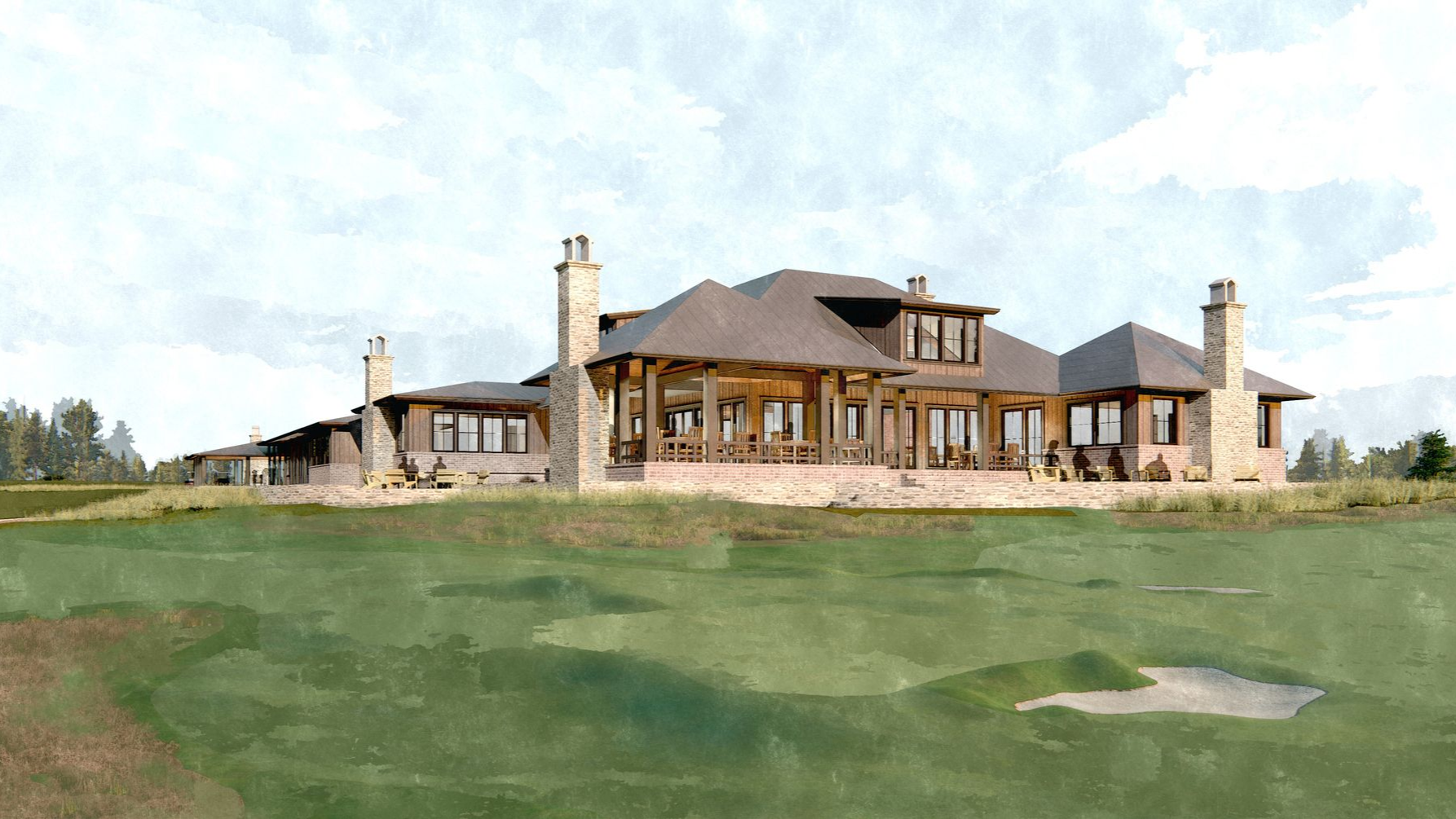
First renderings reveal timeless clubhouse architecture rooted in the land that has inspired Andrew Green’s championship course. Kawonu Golf Club, the private golf-only club under construction near Greenville, South Carolina, has unveiled the first renderings of its clubhouse complex. Designed by architect Joel Newman, the facilities represent another milestone in the development of the club and offer members and prospective members a glimpse into the gathering spaces planned for the property. “From the beginning, our goal has been to create a club that feels authentic to the land and true to the traditions of the game,” said Scott Ferrell, founding partner of Kawonu Golf Club. “While the golf course will always be at the heart of Kawonu, these facilities are an important part of the overall experience. Joel has designed spaces that feel timeless, welcoming and perfectly suited to the character of the property.” Designed around the club’s golf-only philosophy, the clubhouse complex will be anchored by a dedicated Golf House positioned behind the practice area. The approximately 5,000-square-foot facility will include a golf shop, indoor teaching bays, a halfway house, golf fitness space and an outdoor patio overlooking the practice facilities. Connected by a breezeway, the 9,500-square-foot main clubhouse will overlook the 18th green and the surrounding landscape, and will include locker rooms, indoor and outdoor dining spaces, a private dining room, and seven individual overnight rooms on the lower level. Together, the two structures are designed to offer a cohesive, purposeful arrival and fitting finish to a round of golf. Among the additional amenities planned for the property is Tuck’s Cabin, a fishing cabin overlooking a 10-acre lake at the center of the front nine. The cabin is named in honor of Barton Tuck, who brings decades of real estate development experience to his role as Founding Partner at Kawonu Golf Club, and his son, Noel Tuck, who serves as the club’s Development Manager. The cabin will feature a fireplace, casual furnishings, an honor bar, and fishing gear, creating a relaxed retreat for members and guests. To bring the clubhouse complex to life, Kawonu partnered with Newman, whose work is widely recognized for its thoughtful approach to club and hospitality design. Based in Beaufort, South Carolina, Newman is a partner at Thomas & Denzinger Architects and has designed facilities at Chechessee Creek Club, Spring Island Club, and Ohoopee Match Club, as well as projects at Kiawah Island and Palmetto Bluff. At Kawonu, he is leading the design of the clubhouse, lodging accommodations, training center, and golf course comfort stations. “Every building on this property should feel like it belongs here – rooted in the land, not imposed upon it,” said Newman. “What makes Kawonu exceptional is that the land itself tells you what to do. The rolling topography, the varied tree species, and the way light falls across the Reedy River corridor – all of it informs how we approach each structure. Our goal is to create spaces that are purposeful and unhurried, where the architecture draws you deeper into the golf experience rather than pulling you away.” Construction on Tuck’s Cabin is projected to begin this year. Construction on the Golf House is slated to begin in 2027, with the main clubhouse to follow. Situated on more than 290 acres of rolling meadows, hardwood forests, and Reedy River frontage, Kawonu Golf Club is the first private golf-only club developed in the Upstate in more than 30 years. The club’s Andrew Green-designed championship golf course is under construction, with grassing underway, and is expected to open in spring 2027.
By Golf Digest • June 9, 2026
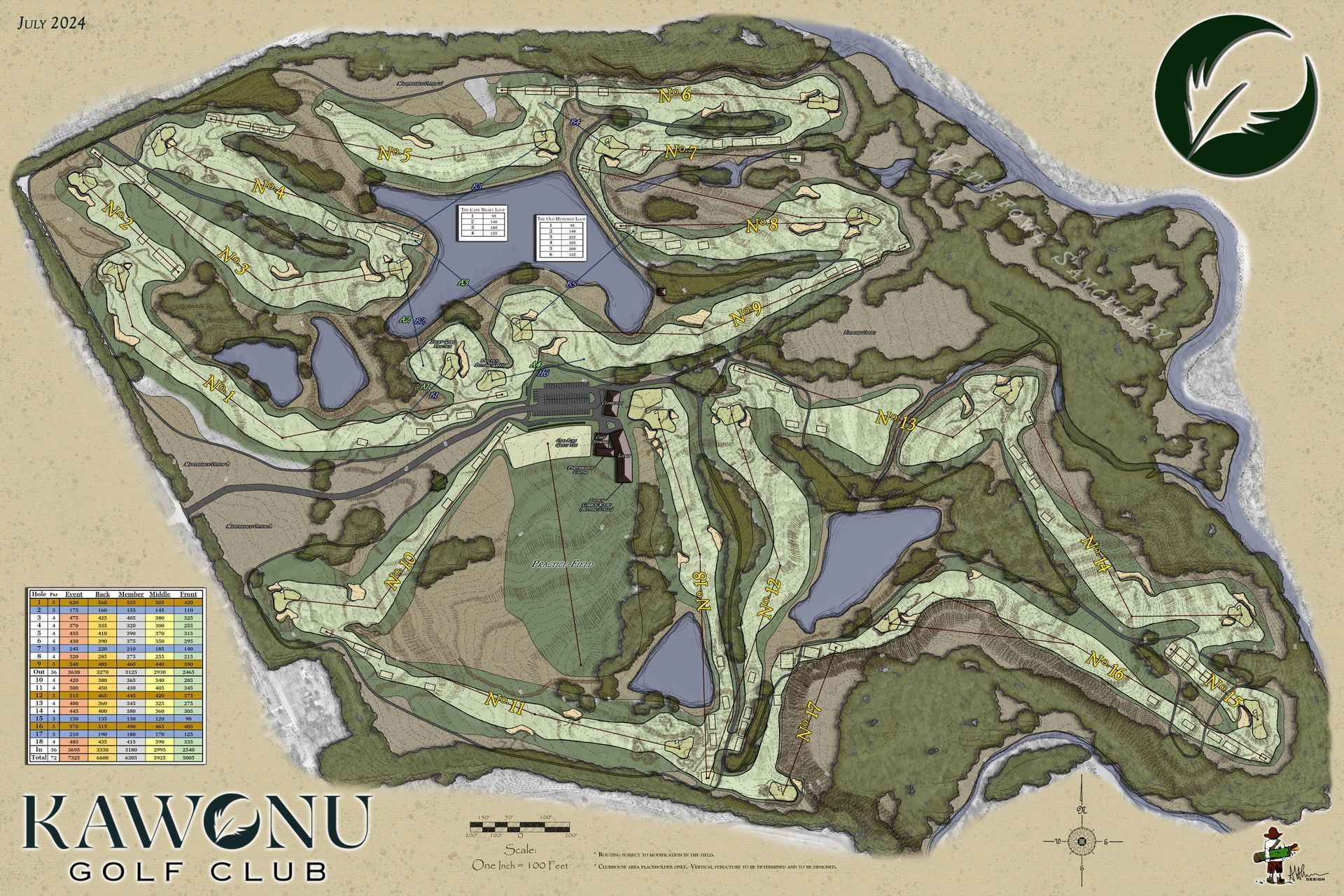
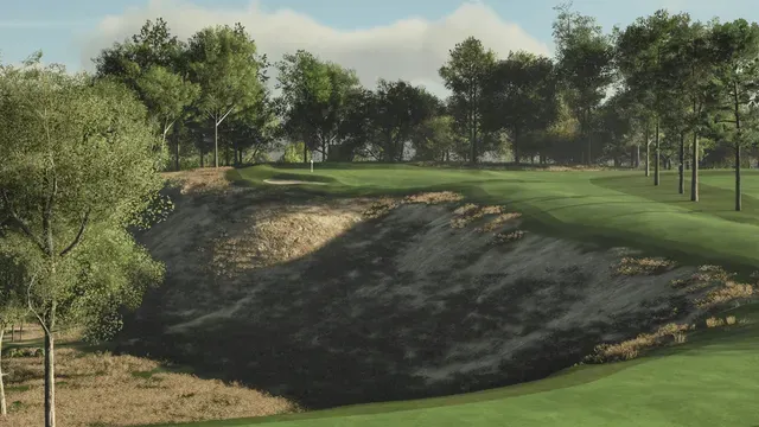
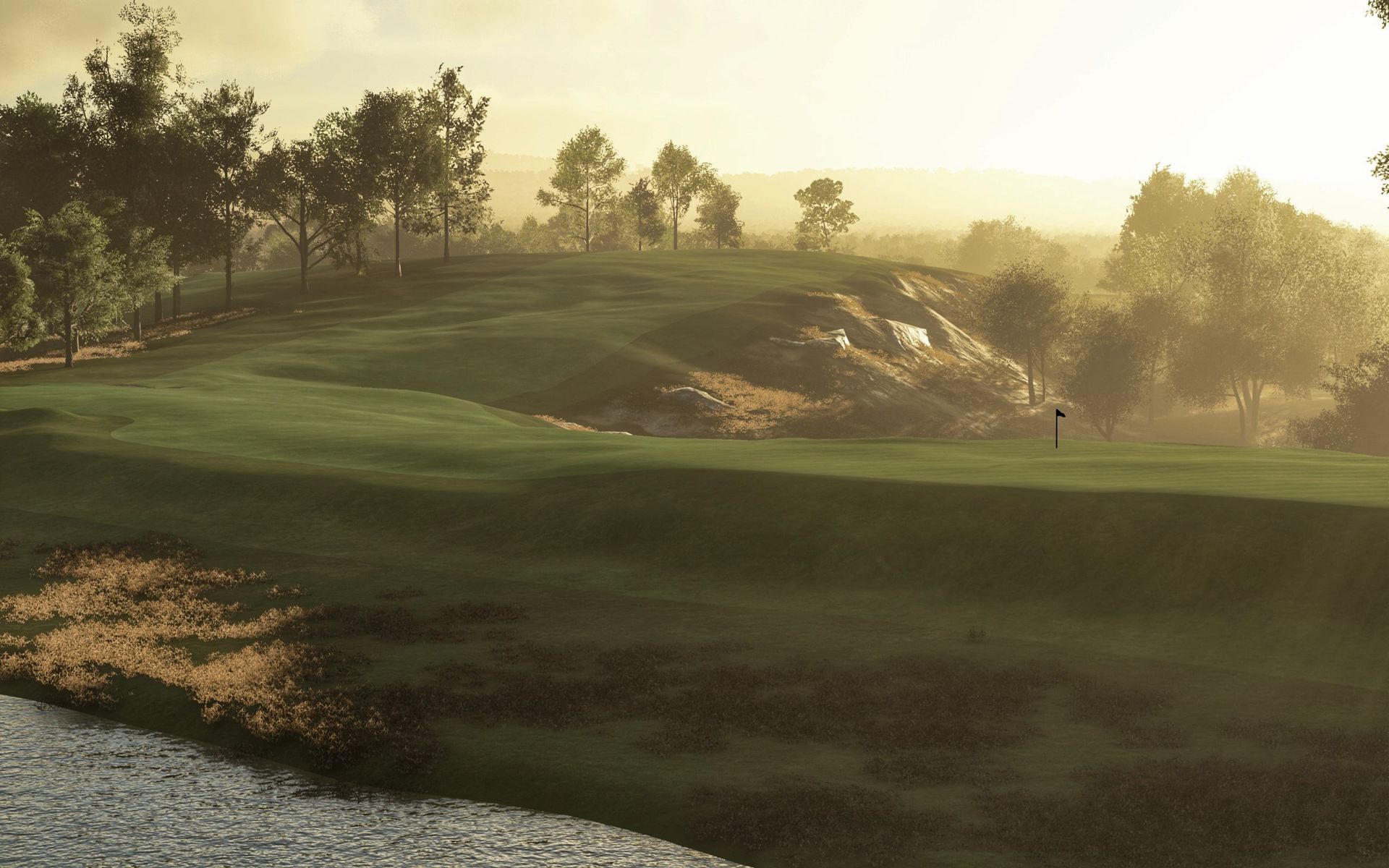
It’s no secret that it gets hot in South Carolina. But in terms of golf, the state has never been hotter than it is now. When it comes to the quality and relevance of new course construction, South Carolina is burning. Andrew Green is a designer who until now has been one of the profession’s most sought-after renovation specialists for his work at clubs like Inverness, Congressional’s Blue Course, Oak Hill’s East Course, Scioto and East Lake among others. He’s now venturing into original designs, including Kawonu Golf Club near Greenville. The course occupies nearly 300 acres with holes playing alternately through grasslands and sections of hardwoods and pine, some which border natural bodies of water and others on the second nine that run along the rims of deep ravines. Kawonu is currently under construction and will open to members in 2027.
By Markets of Tomorrow • May 11, 2026
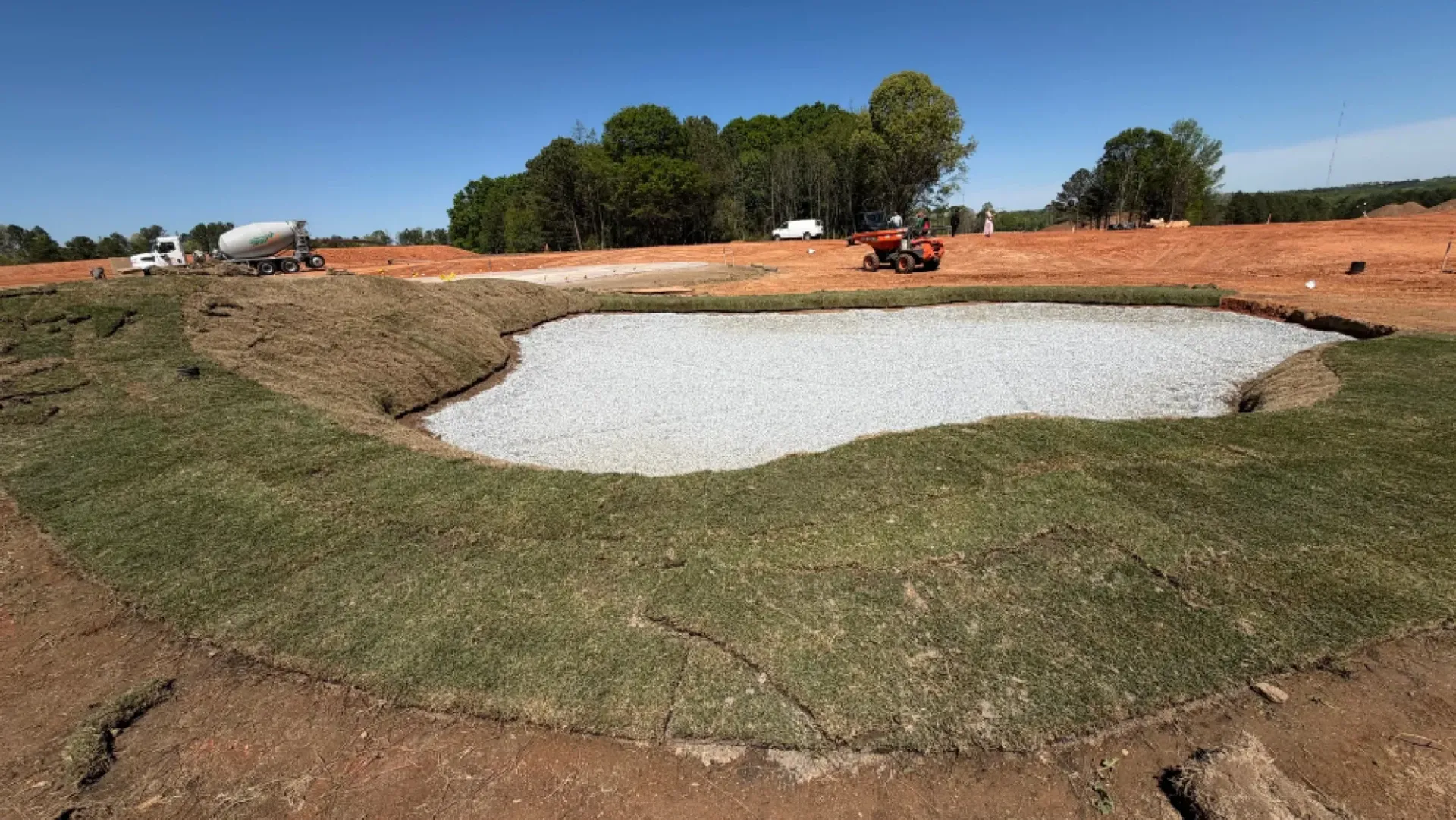
One of the most anticipated new private golf clubs in the Carolinas is officially entering its final stretch. Kawonu Golf Club, the private, golf-only club rising near Greenville, South Carolina, has officially begun sodding and grassing operations across its 18-hole championship course — a significant milestone signaling the project's move toward a 2027 opening. Since breaking ground in April 2025, construction has progressed steadily across the property, including full earthwork and shaping of the course and installation of the irrigation system. More recently, the focus has shifted to sodding around greens, tees, and bunkers, with grassing now moving across greens, tees, and fairways in sequence with irrigation — bringing grass to the full playing corridor. "This is a pivotal moment for the project," said Scott Ferrell, founding partner of Kawonu Golf Club. "For much of the past year, progress has been focused on the underlying structure of the course — work that is essential, but largely unseen. With grassing now underway, the course is beginning to reveal itself in a more complete and tangible way." The course itself comes from acclaimed architect Andrew Green, designed to follow the natural contours of the land and routed through rolling terrain, open meadows, and mature hardwood forest. That land-led approach has guided every phase of construction, with the emphasis squarely on preserving the character of the landscape while shaping a course that feels cohesive and enduring — the kind of strategy-driven golf that's becoming the new standard for top-tier private clubs across the country. "Grassing represents a real shift in how the course is experienced," said Green. "The underlying work has positioned the course exceptionally well, and now, as the turf is established, you begin to see the rhythm of the holes and how everything connects across the property. It's an important step in bringing the vision to life." As grassing moves forward, the focus shifts from construction to course conditions. Leading the grow-in process is Director of Agronomy David Barrett, who has been closely involved throughout construction and brings more than two decades of experience at top-ranked clubs, including a notable tenure at Congaree Golf Club — widely regarded as one of the most respected private golf experiences in the South. "The groundwork has been done at a very high level," said Barrett. "With shaping complete and systems in place, we're well-positioned for a successful grow-in. Our focus now is on developing strong, consistent turf conditions that will set the foundation for how the course plays from the very beginning." Beyond the championship course, Kawonu is being built as a fully integrated, members-first private experience. The club will include a dedicated golf training center, a clubhouse with dining, a small collection of on-site cottages for overnight stays, and a fishing pond and cabin situated along one of the property's lakes for member fishing and gathering — programming that reflects the club's core philosophy of slowing down, spending time on the land, and prioritizing the experience over the spectacle. With grassing now underway and a 2027 debut on the horizon, Kawonu Golf Club continues to take shape as one of the most closely watched private golf launches in the Southeast — a thoughtful, strategy-driven, golf-only club designed around the natural character of the land and built for members who want the game at its most essential.
By The Golf Wire • April 28, 2026
Sodding milestone signals final stretch of construction at private Greenville-area club. Greenville, SC – Kawonu Golf Club, the private golf-only club under construction near Greenville, South Carolina, has begun sodding and grassing operations on the club’s 18-hole championship course, marking a significant milestone in the project’s progress toward a 2027 opening. Since breaking ground in April 2025, work has progressed across the property, including full earthwork and shaping of the course and installation of the irrigation system. More recently, construction has focused on sodding around greens, tees, and bunkers. Grassing will now move across greens, tees, and fairways in sequence with irrigation, bringing grass to the full playing corridor. “This is a pivotal moment for the project,” said Scott Ferrell, founding partner of Kawonu Golf Club. “For much of the past year, progress has been focused on the underlying structure of the course—work that is essential, but largely unseen. With grassing now underway, the course is beginning to reveal itself in a more complete and tangible way.” Course architect Andrew Green designed Kawonu to follow the natural contours of the land, routing holes through rolling terrain, open meadows, and mature hardwood forest. That approach has guided each phase of construction, with an emphasis on preserving the character of the landscape while shaping a course that feels cohesive and enduring. “Grassing represents a real shift in how the course is experienced,” said Green. “The underlying work has positioned the course exceptionally well, and now, as the turf is established, you begin to see the rhythm of the holes and how everything connects across the property. It’s an important step in bringing the vision to life.” As grassing moves forward, the focus will shift from construction to course conditions, with Director of Agronomy David Barrett leading the grow-in—the process of establishing healthy, consistent turf across the course ahead of opening. Barrett has been closely involved throughout construction and brings more than two decades of experience at top-ranked clubs, including Congaree Golf Club. “The groundwork has been done at a very high level,” said Barrett. “With shaping complete and systems in place, we’re well-positioned for a successful grow-in. Our focus now is on developing strong, consistent turf conditions that will set the foundation for how the course plays from the very beginning.” Kawonu Golf Club remains on track for a 2027 opening. Founded as a private, golf-only club, Kawonu is centered on delivering a thoughtful, strategy-driven golf experience shaped by the natural character of the land. In addition to the 18-hole championship course, the club will include a golf training center, a clubhouse with dining, a small collection of on-site cottages, and a fishing pond and cabin situated along one of the property’s lakes for member fishing and gathering.
By GVLtoday • April 8, 2026
As all eyes turn to Augusta National for Masters Week, I turned my focus to Kawonu Golf Club, Greenville County’s first invitation-only, private golf club in about 30 years. The ~294 acre property near Simpsonville is bordered by the Reedy River, Highway 418, and Fork Shoals Road and promises to be one of our region’s most exclusive new destinations for golfers when it opens in 2027. It’s designed by Andrew Green, one of the most sought-after golf course architects in the world. The golf-only club will blend championship-caliber play as it honors the land’s history and Cherokee roots. I also saw where the footprint of the clubhouse has been dug — with the dirt utilized in other areas of the course’s construction. There will also be on-site cottages and a Golf House offering state-of-the-art indoor practice and teaching facilities.
By Club + Resort Business • February 10, 2026
The new South Carolina private club is under construction, slated to open in the spring of 2027, and will center its hybrid membership around golf. Scott Ferrell, Founding Partner of Kawonu Golf Club, has been in the golf industry for almost 40 years, which eventually led him to Greenville, S.C. He knew that a private club hadn’t opened in the area in over 30 years and started looking into land to open a private, golf-only club. After one piece of land fell through, Ferrell says the current land fell into his lap and he immediately got started by partnering with Barton Tuck who has developed other golf courses over the years. Now, two years into the construction of the project, the club has a little over a year until its grand opening.
VIEW MORE

STAY IN THE KNOW

Subscribe to the roost


Sign up for the Kawonu Golf Club newsletter to receive insider updates on course progress, exclusive member news, upcoming events, and more.

Kawonu is a private golf club currently under development in Upstate South Carolina. No spam—just meaningful updates, member moments, and stories worth reading.

Newsletter Sign-up

Join The Newsletter CTA