

Upstate Biz SC • January 28, 2026
Kawonu Golf Club architect Andrew Green receives Golf Digest award
Green earns Best Renovation of the Year honors as Kawonu prepares for 2027 opening.
Kawonu Golf Club, the private golf-only club under construction near Greenville, South Carolina, announced that course architect Andrew Green has been named Golf Digest’s Best Renovation of the Year for his acclaimed work at Chevy Chase Club in Maryland.
The national recognition reflects Green’s growing reputation as a leading architect in traditional golf course design and comes as work continues on Kawonu’s 18-hole championship course, currently scheduled to open in 2027.
Golf Digest’s annual awards recognize the most exceptional golf architecture projects across the country. Green’s renovation of the historic Chevy Chase Club was praised for its restoration of classic design principles, strategic interest, and thoughtful playability for today’s game.
“Andrew has a rare ability to honor the history and character of a property while creating something that feels completely relevant for today’s game,” said Scott Ferrell, founding partner of Kawonu Golf Club. “That approach is guiding every decision at Kawonu. This award is a reflection of the talent and perspective our members can expect when the course opens.”
Green is widely known for his sensitive restoration work at some of the most respected clubs in the country, including Inverness Club, Congressional Country Club, Oak Hill Country Club, and now Chevy Chase Club — projects that have earned national acclaim for their authenticity, strategy, and timeless design.
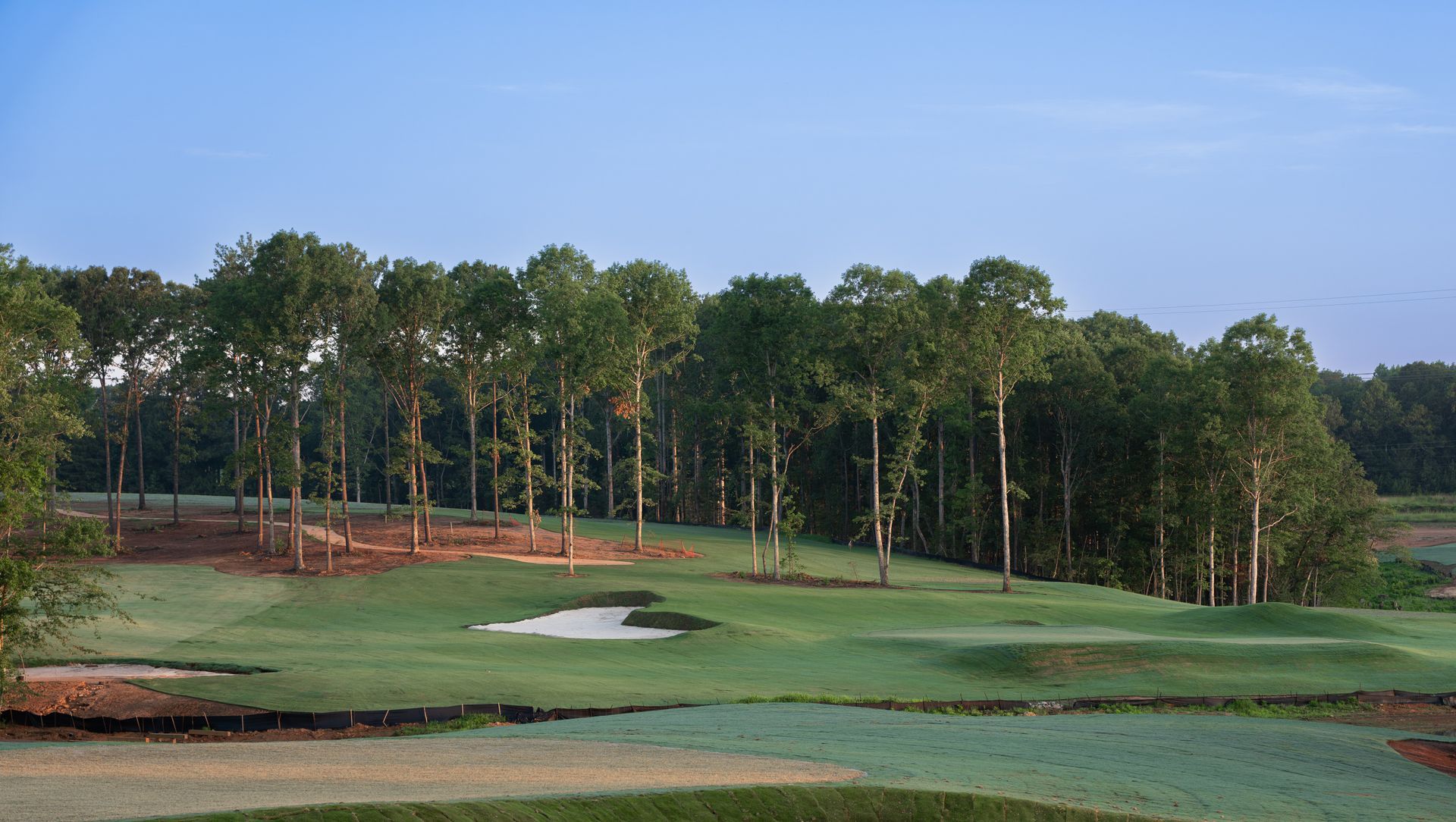
At Kawonu, Green is leading the design of an 18-hole championship course routed across rolling terrain, open meadows, and mature hardwood forest. The course follows the site’s natural topography, creating a highly strategic and immersive golf experience that feels deeply connected to the land.
“Working at Kawonu has been incredibly special because the land has such a strong natural character,” said Green. “Our goal is to let the property lead the design — creating holes that feel inevitable, timeless, and fun to play every day. It’s exciting to see that same design philosophy being recognized at Chevy Chase, and I can’t wait for golfers to experience what we’re building at Kawonu.”
In addition to the Chevy Chase honor, Green received further recognition from Golf Digest in the Best Transformation category, including a Third-Place finish for his redesign of Vaquero Club in Westlake, Texas, and an honorable mention for his renovation of Karsten Creek Golf Club in Stillwater, Oklahoma.
Kawonu Golf Club is a private, golf-only club currently under construction near Greenville, South Carolina. In addition to the championship course, the club will feature a clubhouse and on-site cottages designed by architect Joel Newman, offering dining, gathering spaces, and overnight accommodations for an immersive member experience.
Construction is currently underway, with the club targeting a 2027 opening. To learn more about Kawonu Golf Club, visit www.kawonugolfclub.com.
This article was originally written + published by Upstate Biz SC on January 28, 2026 — shared here with full credit to the original source.