

The Golf Wire • April 28, 2026
Course grassing underway as Kawonu Golf Club moves toward 2027 opening
Sodding milestone signals final stretch of construction at private Greenville-area club.
Greenville, SC – Kawonu Golf Club, the private golf-only club under construction near Greenville, South Carolina, has begun sodding and grassing operations on the club’s 18-hole championship course, marking a significant milestone in the project’s progress toward a 2027 opening.
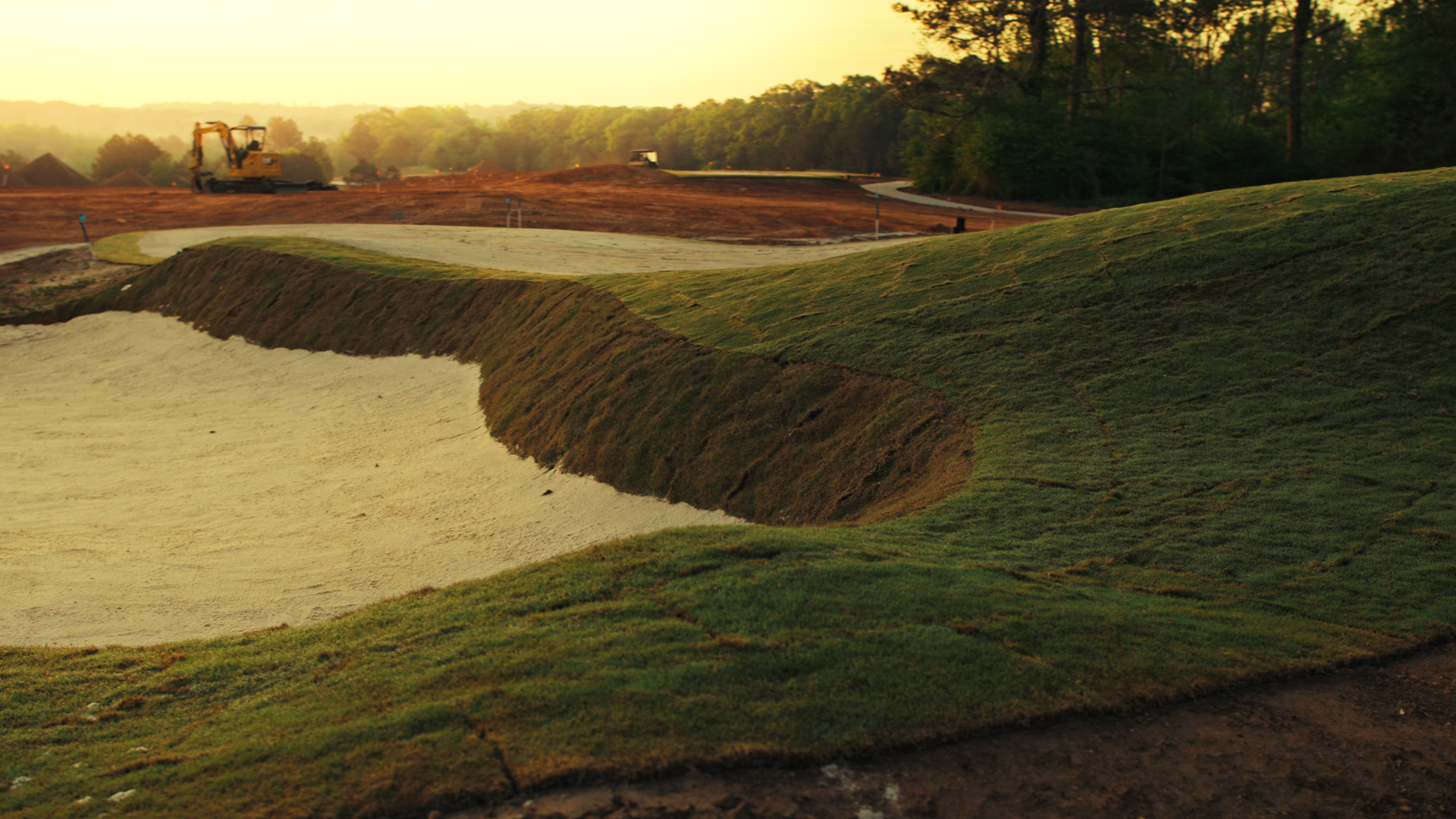
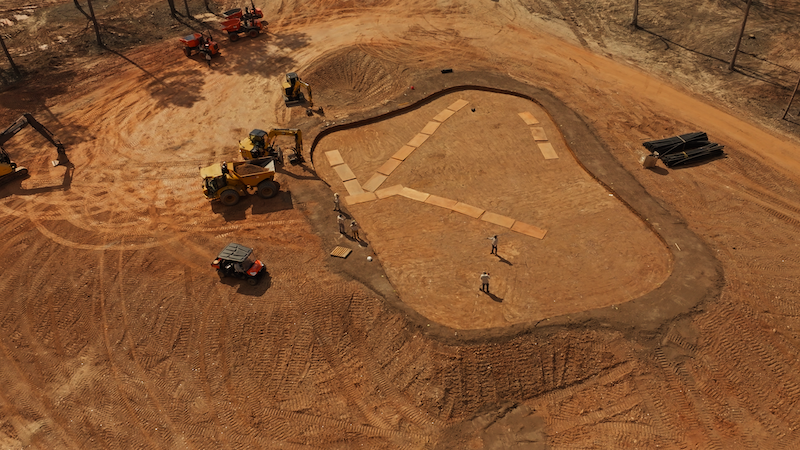
Since breaking ground in April 2025, work has progressed across the property, including full earthwork and shaping of the course and installation of the irrigation system. More recently, construction has focused on sodding around greens, tees, and bunkers. Grassing will now move across greens, tees, and fairways in sequence with irrigation, bringing grass to the full playing corridor.
“This is a pivotal moment for the project,” said Scott Ferrell, founding partner of Kawonu Golf Club. “For much of the past year, progress has been focused on the underlying structure of the course—work that is essential, but largely unseen. With grassing now underway, the course is beginning to reveal itself in a more complete and tangible way.”
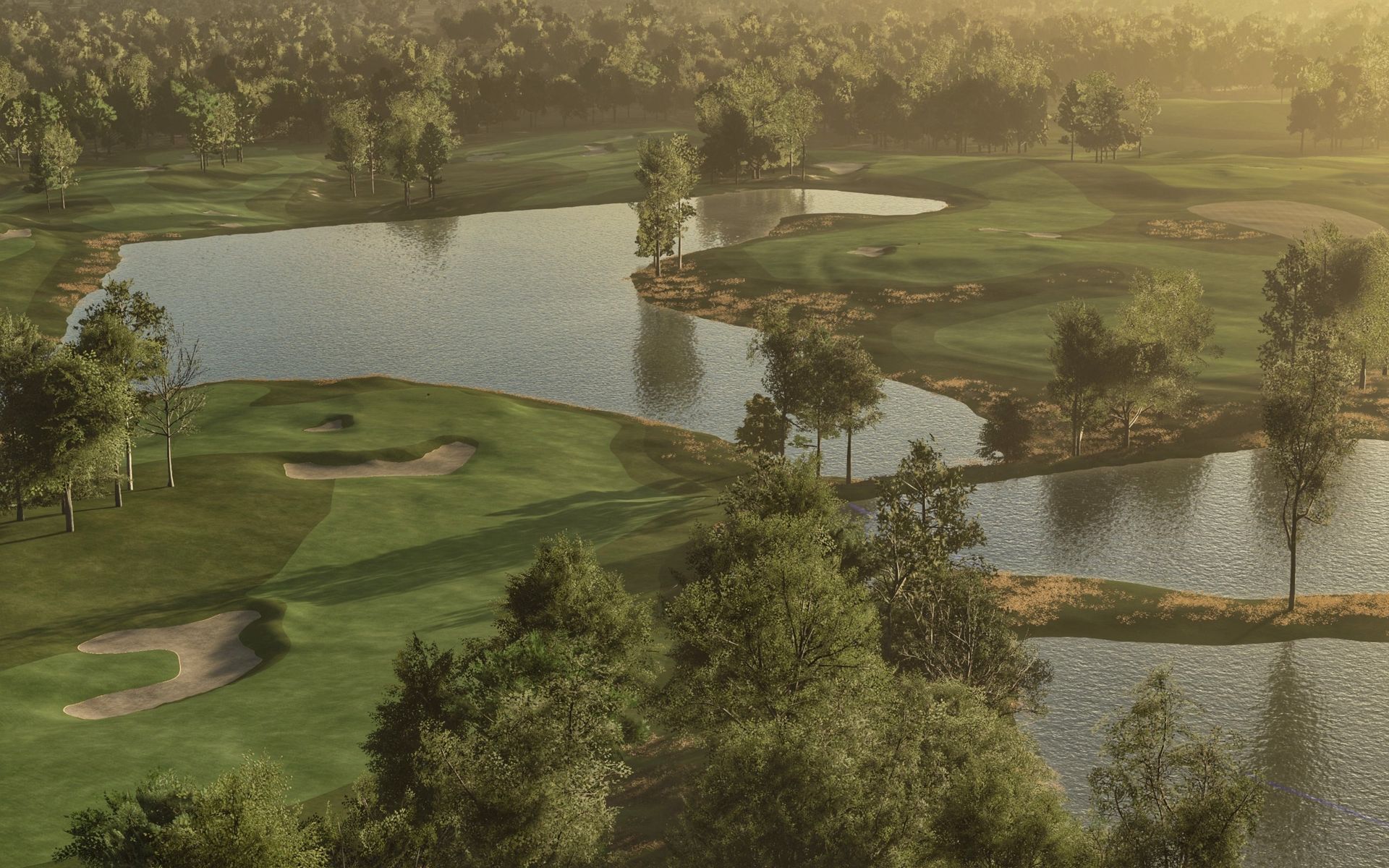
Course architect Andrew Green designed Kawonu to follow the natural contours of the land, routing holes through rolling terrain, open meadows, and mature hardwood forest. That approach has guided each phase of construction, with an emphasis on preserving the character of the landscape while shaping a course that feels cohesive and enduring.
“Grassing represents a real shift in how the course is experienced,” said Green. “The underlying work has positioned the course exceptionally well, and now, as the turf is established, you begin to see the rhythm of the holes and how everything connects across the property. It’s an important step in bringing the vision to life.”
As grassing moves forward, the focus will shift from construction to course conditions, with Director of Agronomy David Barrett leading the grow-in—the process of establishing healthy, consistent turf across the course ahead of opening. Barrett has been closely involved throughout construction and brings more than two decades of experience at top-ranked clubs, including Congaree Golf Club.
“The groundwork has been done at a very high level,” said Barrett. “With shaping complete and systems in place, we’re well-positioned for a successful grow-in. Our focus now is on developing strong, consistent turf conditions that will set the foundation for how the course plays from the very beginning.”
Kawonu Golf Club remains on track for a 2027 opening. Founded as a private, golf-only club, Kawonu is centered on delivering a thoughtful, strategy-driven golf experience shaped by the natural character of the land. In addition to the 18-hole championship course, the club will include a golf training center, a clubhouse with dining, a small collection of on-site cottages, and a fishing pond and cabin situated along one of the property’s lakes for member fishing and gathering.
This article was originally written + published by The Golf Wire on April 28, 2026 — shared here with full credit to the original source.