By The First Call
•
October 1, 2026
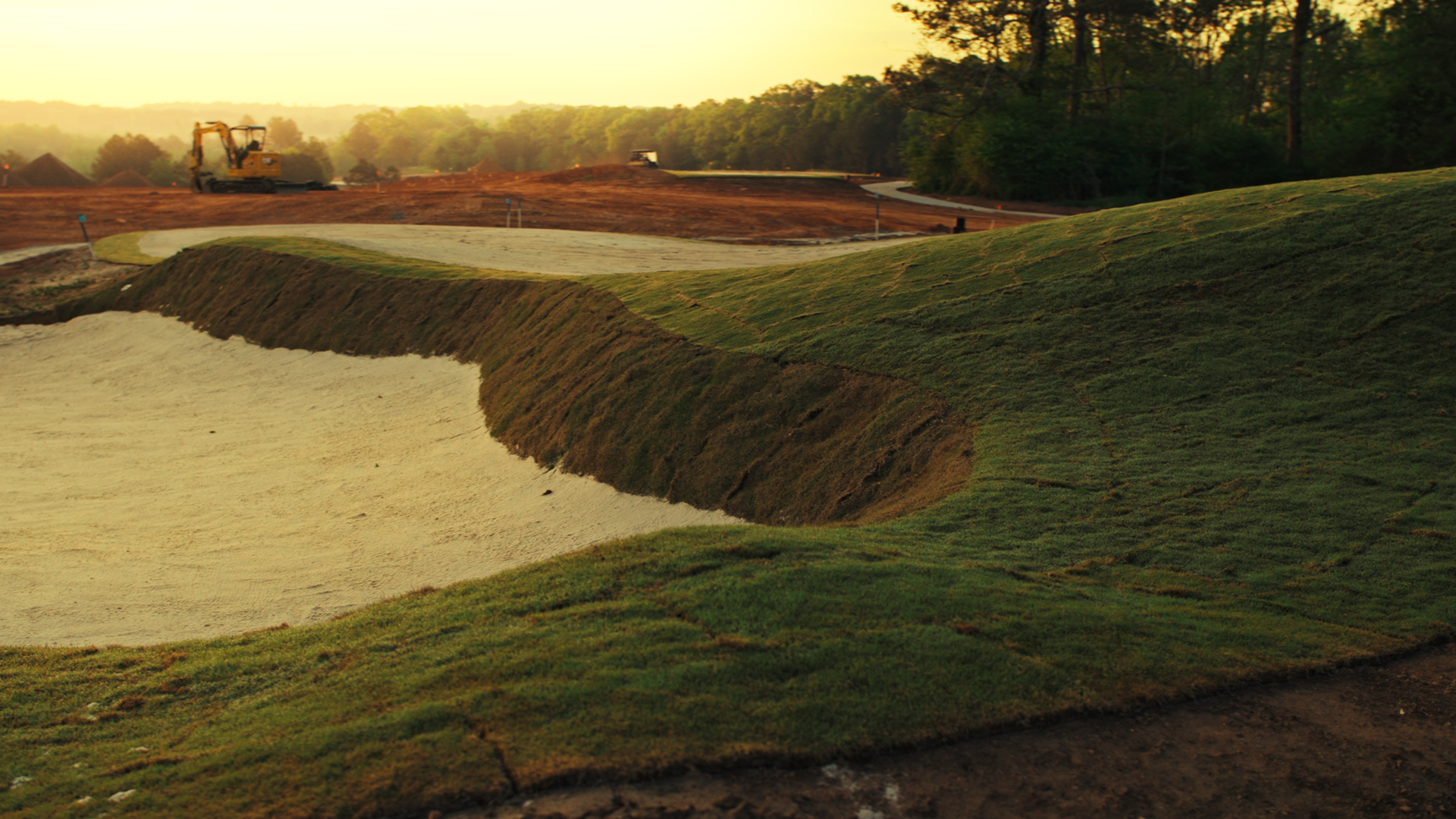
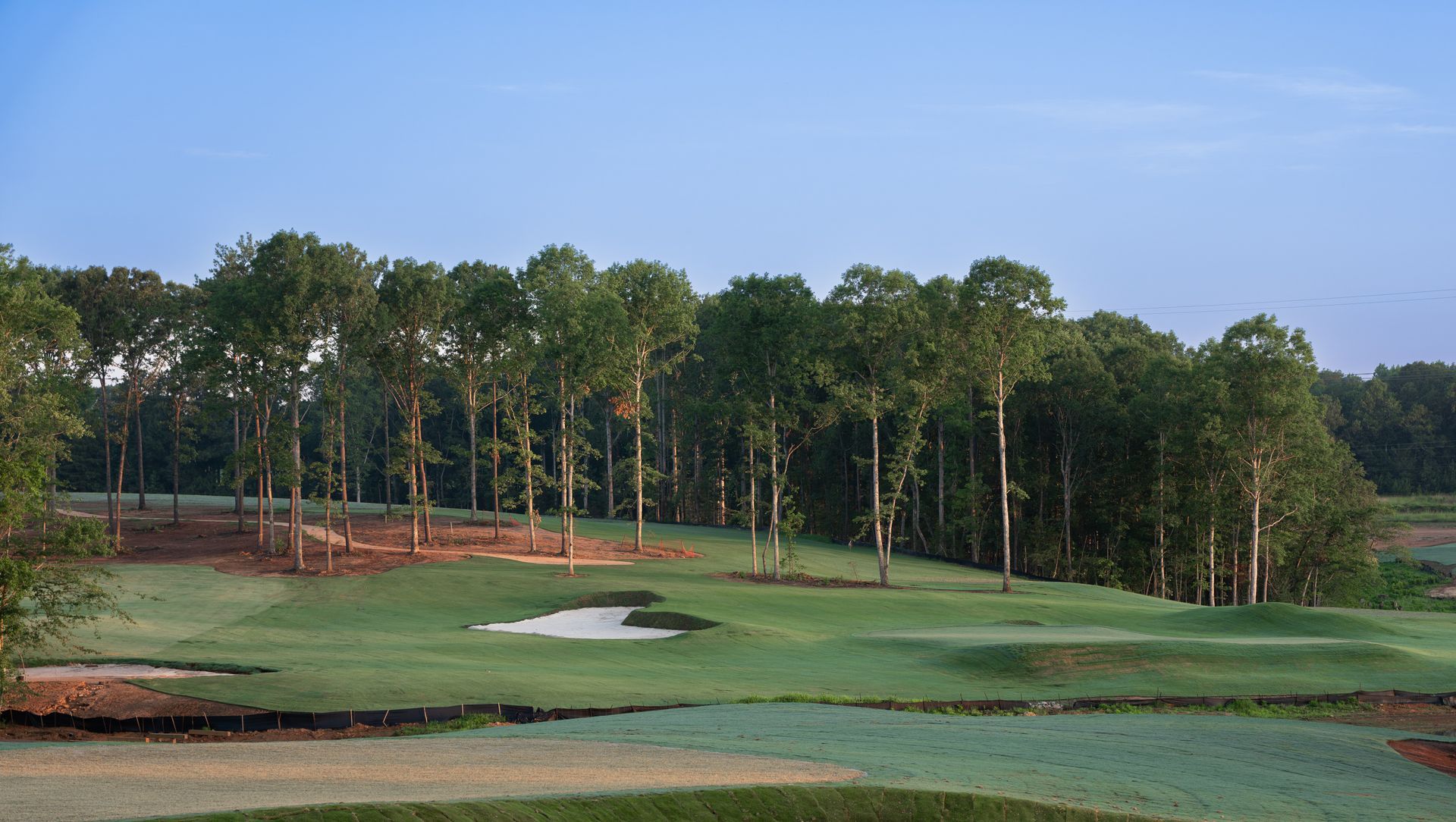
When the Golf Course Builders Association of America began in the late 1970s, it would have been difficult to predict the dramatic market swings of course construction. Today, the association is thriving thanks to a healthy membership and a desire to adapt. During the Golden Age of design through the 1920s, courses were constructed more simply — crafted with vision, shovels and horse-drawn implements. A century later, technological advancements and the evolution of the game has brought us to a place deserving of a wry smile: one equipped with laser grading, GPS-directed machinery, low-impact tires and drones to help with modern golf course construction. Yet what’s old is new. Fortunes are tied to one ongoing course design and construction trend: restoring these Golden Age gems. The Golf Course Builders Association of America (GCBAA) holds a front-row seat — or the seat of a front-loader, anyway — to this movement. Astoundingly, one member company is scheduled to build 400 holes, and years of contracted backlog are common. Golf course construction is a rugged, tough business. Work depends on weather, problem-solving is constant and delivery schedules are pressured at best. Relying heavily on supply chains and subcontractors make frustrating moments inevitable. Still, courses get built and the GCBAA is there to educate, support and certify its members. GTI Golf is one of those members and is part of the team working on Kawonu Golf Club, Andrew Green’s high-profile original design outside of Greenville, South Carolina. GTI Golf is handling irrigation, drainage, infrastructure and other technical services. Joining the GCBAA was a priority when GTI Golf incorporated. “The GCBAA represents a standard of quality, vetted by its own, whose goal is to ensure that we, as members, maintain industry standards that future clients and partners can trust,” says Ashley Wilkinson, vice president at GTI Golf. Within the GCBAA, 650 involved industry professionals represent approximately 310 member companies: 60% are suppliers and partners; 27% are irrigation contractors, golf course builders or renovation builders; and 15% are professional, international and independent industry experts. Based in 41 states and seven countries and territories, they demonstrate the industry’s broad reach. Darryl Bartlett, senior manager and chief development officer at NMP Golf Construction, shares long-standing GCBAA ties. His late father, Vincent E. Bartlett, built golf courses in the 1960s and joined the GCBAA. Darryl started in his teens as a shaper, project manager and estimator for his father, executed projects independently, and eventually joined NMP, which operates in the U.S. and Canada, specializing in high-end construction, irrigation and drainage projects. “We take on the appropriate amount of work,” Bartlett says. “We're right on the edge of being fully stressed and fully caffeinated. It’s the same for 95% of the industry right now.” As a GCBAA director, Bartlett helps evaluate new member applications. It is a deeply committed group. Membership statistics reveal that the average company tenure exceeds 20 years with many belonging for 30 years or more, while individual members average over 14 years. Mychelle Thompson, program and planning manager for the GCBAA, says that “approximately 25 member companies have achieved GCBAA certification in construction, renovation, and irrigation. Nearly one-third of GCBAA's contractor members have earned advanced GCBAA certifications, and many member companies are actively pursuing upgraded status and working towards certification.” Members showcase their credentials on their own websites and through the GCBAA’s searchable online database. WHAT IT MEANS What does deeply committed members signal to the industry? “The business is cutthroat,” says Justin Apel, GCBAA executive director. “It’s builders against builders, suppliers against suppliers. But when they all get together, it's so much fun. The camaraderie is great.” This year’s annual meeting in July in Traverse City, Michigan, blended networking, education, trade show exhibits and competitive golf. Member companies are often pursuing certifications to navigate the dynamic industry. “It's hard to define golf construction because there are so many different things happening within that space,” Apel says. “When this group was founded, those contractors could do everything.” Fewer members operate this way now. “It's changed,” says Apel. “Everyone has specialized. The whole idea of loading up equipment and shipping it across the country, that doesn't happen anymore. Builders don’t own equipment like they used to because there is access through rental and leasing programs. It's incredible what that network has done and that’s only one example of how builders have diversified.” By outsourcing specialized labor like wetlands permitting or erosion prevention, builders focus on core strengths. “Builders can absolutely do what they're best at and not have the overhead for managing everything else,” Apel says. “That's why our membership has grown to the level it has, because there are multiple companies that do the work and it expands the reach.” With specialization, trust and reputation are vital assets enhanced by GCBAA standing. “The client should be confident hiring a certified builder, knowing they are respected by their peers and have a long work history of satisfied clients,” Wilkinson says. “Additionally, partnering with a GCBAA member on a project affords us a level of confidence, knowing we are partnering with an invested contractor. While we compete for projects, there is an underlying respect between GCBAA members.” NMP was trusted to help restore Detroit Golf Club’s North Course — originally designed by Donald Ross, completed in 1916, and host of the eighth and final playing of the PGA Tour’s Rocket Classic in 2026. After the summer meeting Bartlett traveled across Michigan to the tournament. “The architect, Tyler Rae, was there, and we had a big presence from NMP,” Bartlett says. “We put 115 people on this last year. It was a crazy timeline and a lot of people said it couldn't be done, but we did it. We did the irrigation, greens, fairways, bunkers and 9,000 feet of big pipe, 30 feet deep. It was all hands-on, but we did it.” While ideal collaboration involves the architect, foreman and superintendent, builders usually oversee subcontractors. “The most ideal situation is for the builder to be in control of that,” Apel says. “There’s a sequence of how all of these things have to happen, and there needs to be an ironclad contract in addition to agreed-upon expectations.” Design adjustments occur naturally, but change orders require legal frameworks. “Kawonu is an exciting project,” Wilkinson says. “At this level, only the best contractors get invited to participate in the bid process. The GCBAA provides a clearinghouse of sorts, that the owner and the contractors can rely on. It’s important to know that everyone in the room is capable and can prove it. Kawonu will undoubtedly be a world-class property. It’s thrilling for us at GTI Golf to partner with clients who are as purpose-driven as we are.” NMP worked on several Southern projects this summer before shifting North this fall. The best thing about the GCBAA is that “you get some referrals, you get some networking, but it keeps a higher standard of construction expectations,” Bartlett says. “It's not just, ‘Today I was a landscaper, tomorrow I'm going to be a golf course builder.’ Being a certified golf course builder takes time and effort. You have to have years of experience and be approved by your peers.” Apel acknowledges member fatigue amid high demand. “There's a lot of golf being constructed and it is amazing,” he says, “but you can only move so fast. I am impressed with them. Builders have a different seat at the table now, in a good way. In the boardrooms, they’ve shown that they can execute, solve problems and exceed expectations. They want to be part of the conversation and not just the lowest bidder.” Greater education has fostered industry collaboration. Because builders are often the last paid, they are strongly incentivized to complete quality work on time and on budget. Trends in building include specialty equipment, such as wider, low-tread, lightweight tires to minimize impact, plus drones for site tracking and material calculations. Safety technology flags texting while driving and detects employee safety vests to prevent collisions. The GCBAA internship program introduces students to varied careers within course construction. “They will spend time with a superintendent, architect, manufacturers and distributors, as well as a shovel. Interns will walk away with a complete understanding of what it takes to build and maintain a golf course,” Apel says. This year’s program featured six interns, and plans are underway to scale the program. Another GCBAA initiative assists junior golfers. Donations have evolved from clubs and equipment to helping for land development, course renovation work and construction that will provide more playing opportunities for junior golfers. Meanwhile, builders work with minimal disruption so courses can remain open and protect revenue. Incoming GCBAA members are keen on understanding the return on investment. “That's absolutely fair,” Apel says, “and we can save them on health insurance, travel, equipment rental and more.” The annual meeting celebrated excellence through education, charitable auctions and networking. One of the most enjoyed traditions, the “Earthmover Award,” went to the last-place golf team. “That’s the best prize,” Apel says with a smile. “It’s a great big Caterpillar, diecast, metal trophy. It’s coveted.”