


Scott Ferrell • January 13, 2025

The Rise of Golf-Only Clubs


A Return to the Roots of the Game

WRITTEN BY: SCOTT FERRELL
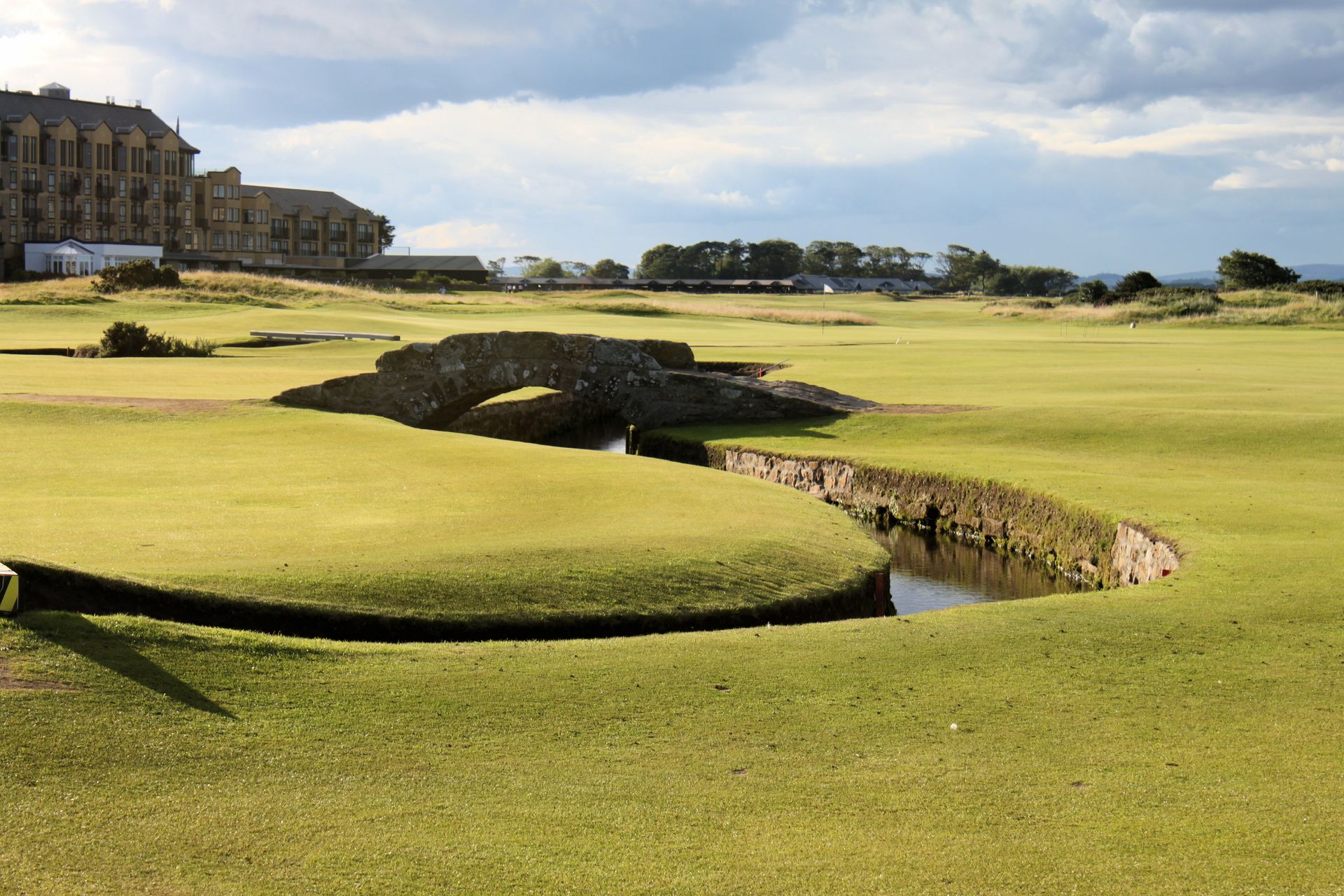
A View of St. Andrews Course by Simon Edge

As someone who has spent decades immersed in the world of golf and high-end golf course development, I’ve been fascinated to see the resurgence of golf-only clubs. These exclusive spaces, focused solely on the game, are making a strong comeback, offering something uniquely pure and deeply connected to the roots of golf.


What Is a Golf-Only Club?


When people think of private golf clubs, they often picture full-service facilities that include tennis courts, swimming pools, banquet halls, and an extensive food and beverage operation. At their core, though, these clubs have always revolved around the golf course, which serves as the anchor and main attraction.


A golf-only club takes that concept and distills it down to its essence. There are no tennis courts, no pools, no large-scale catering operations—just golf. It’s a singular focus on the game itself, and for many golfers, that’s exactly what they’re looking for.


Golf’s Historical Roots


To understand the appeal of golf-only clubs, you have to go back to where it all began: Scotland, the birthplace of golf. The Royal and Ancient Golf Club at St. Andrews is perhaps the purest example of this concept. Founded nearly two centuries ago, it has always been about the game and nothing else.


Over time, clubs began adding amenities to broaden their appeal, turning into multi-purpose facilities that catered to families and social activities. That shift made sense for a lot of reasons, but for me, this return to golf-only clubs feels like a throwback to the roots of the game—a focus on the course, the camaraderie, and the experience of playing.


Why Golf-Only Clubs Are Growing in Popularity


There’s no single reason for the rise of golf-only clubs, but I see it as a combination of practical and emotional factors.


From a business perspective, golf-only clubs make financial sense. In traditional country clubs, amenities like pools and tennis courts are often financial drains. They don’t generate revenue, and the costs of maintaining them are covered by membership dues. By focusing exclusively on the golf course, you remove those financial liabilities while retaining the primary revenue driver.


On the emotional side, golf-only clubs appeal to those who are deeply passionate about the game. Golf has a unique way of getting into your blood, and for many of us, it’s more than just a hobby—it’s a way of life. When people have the means to build or join a golf-only club, it’s often about fulfilling that passion.


COVID-19’s Unexpected Impact


I can’t talk about this trend without mentioning the impact of COVID-19. The pandemic brought a surge of interest to golf. It was one of the few activities people could safely enjoy outdoors, and as a result, the number of players and rounds played skyrocketed. For the first time in years, new golf courses are being built, and existing ones are undergoing significant renovations. COVID didn’t just reignite interest in the game—it redefined its role in many people’s lives.


Designing for the Passionate Golfer


At Kawonu Golf Club, we’re embracing the golf-only concept fully. Our course, designed by Andrew Green, reflects the minimalist, pure approach that today’s passionate golfers crave. We’re fortunate to have an exceptional site, and Andrew’s philosophy of letting the land dictate the design is a perfect fit for what we’re creating.


Golf-only clubs also tend to attract highly skilled players, which can influence course design. While Kawonu will be accessible to a range of players, it will naturally appeal to lower-handicap golfers who appreciate a more challenging course. The absence of residential real estate—another hallmark of many traditional clubs—frees us to focus entirely on creating an unforgettable golf experience.


A Sense of Community and Camaraderie


One of the things I love most about golf-only clubs is the sense of community they foster. Golf is a game of camaraderie, and these clubs provide a space where people can bond over their shared passion for the sport. Whether it’s a group of friends traveling to play historic courses in Scotland or a foursome coming together at Kawonu, the connections forged on the course are unlike anything else.


The Future of Golf-Only Clubs


The rise of golf-only clubs is more than just a trend—it’s a reflection of the evolving priorities of golfers. In the past, clubs often relied on celebrity architects or real estate development to attract members. Today, the focus is shifting back to the course itself and the quality of the experience it offers.


At Kawonu, we’re embracing that shift. We’re not just building a golf course; we’re creating a place where people can immerse themselves in the game they love. For me, that’s what golf has always been about—unforgettable experiences, shared with others who feel the same way about the sport.


If you ask me why this trend is gaining traction, I’d say it’s because golf-only clubs speak to something fundamental about the game. They strip away the distractions and bring us back to what matters most: the challenge of the course, the beauty of the surroundings, and the joy of playing a game that truly lasts a lifetime.
By Markets of Tomorrow May 11, 2026
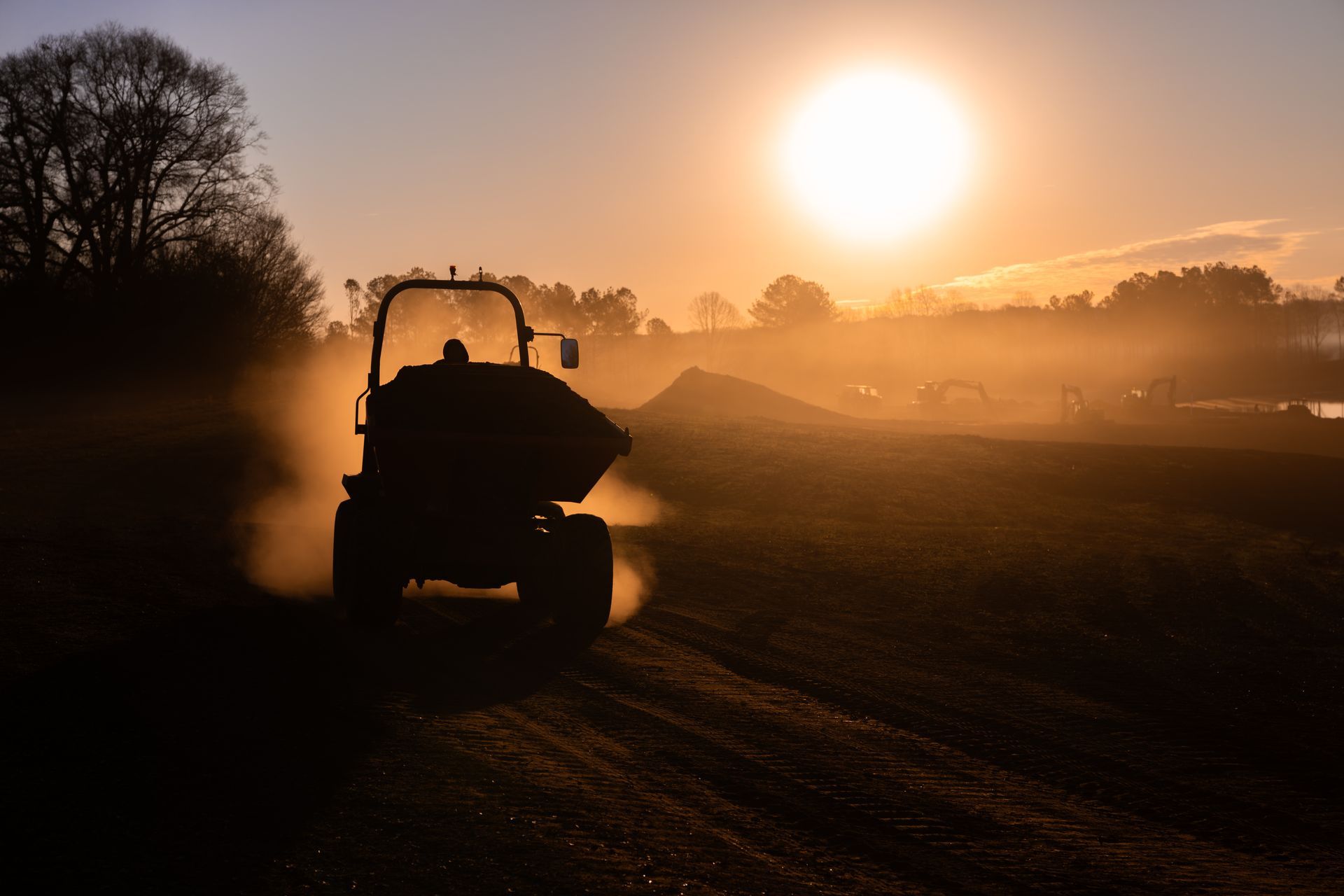
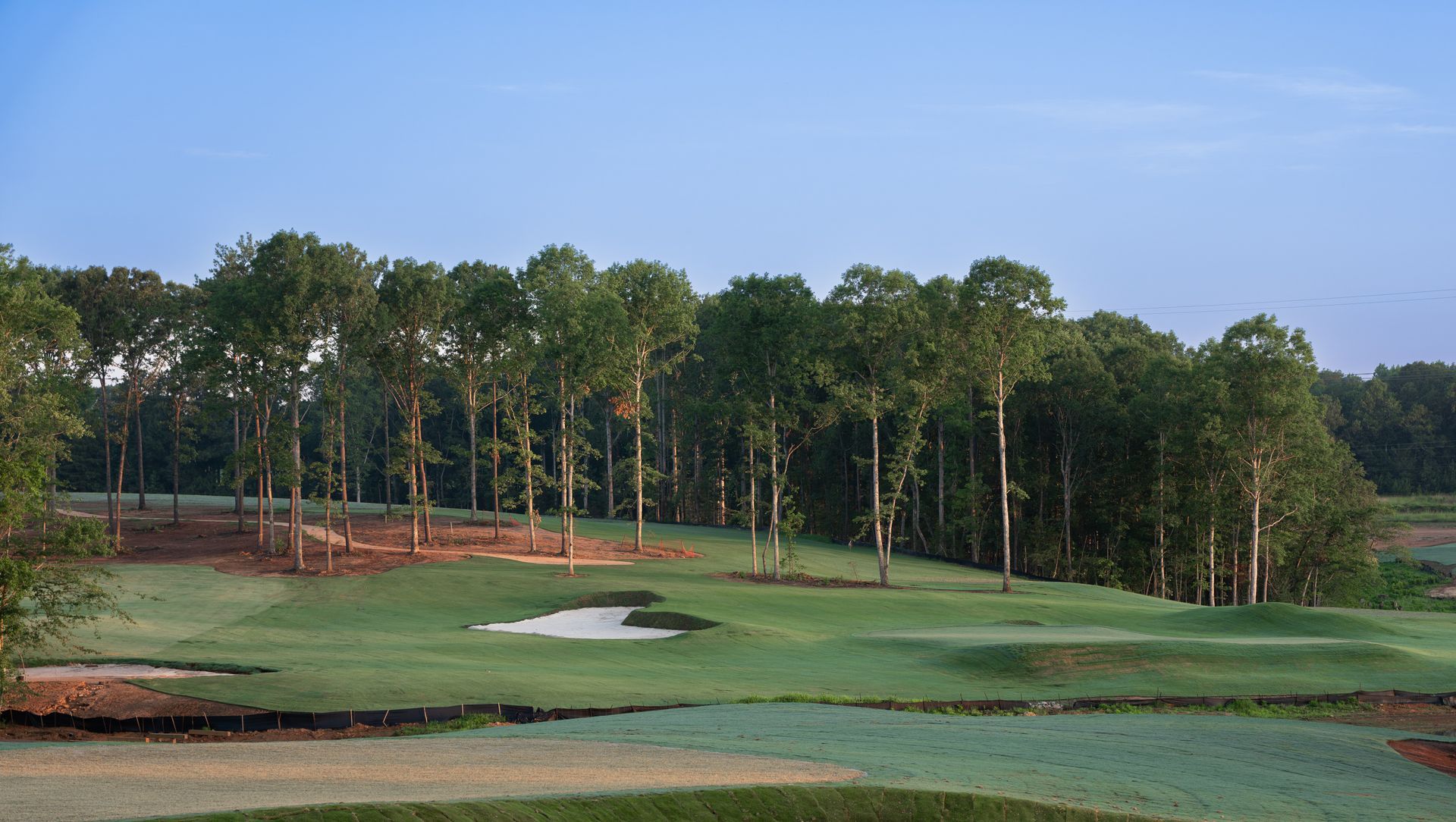
One of the most anticipated new private golf clubs in the Carolinas is officially entering its final stretch. Kawonu Golf Club, the private, golf-only club rising near Greenville, South Carolina, has officially begun sodding and grassing operations across its 18-hole championship course — a significant milestone signaling the project's move toward a 2027 opening. Since breaking ground in April 2025, construction has progressed steadily across the property, including full earthwork and shaping of the course and installation of the irrigation system. More recently, the focus has shifted to sodding around greens, tees, and bunkers, with grassing now moving across greens, tees, and fairways in sequence with irrigation — bringing grass to the full playing corridor. "This is a pivotal moment for the project," said Scott Ferrell, founding partner of Kawonu Golf Club. "For much of the past year, progress has been focused on the underlying structure of the course — work that is essential, but largely unseen. With grassing now underway, the course is beginning to reveal itself in a more complete and tangible way." The course itself comes from acclaimed architect Andrew Green, designed to follow the natural contours of the land and routed through rolling terrain, open meadows, and mature hardwood forest. That land-led approach has guided every phase of construction, with the emphasis squarely on preserving the character of the landscape while shaping a course that feels cohesive and enduring — the kind of strategy-driven golf that's becoming the new standard for top-tier private clubs across the country. "Grassing represents a real shift in how the course is experienced," said Green. "The underlying work has positioned the course exceptionally well, and now, as the turf is established, you begin to see the rhythm of the holes and how everything connects across the property. It's an important step in bringing the vision to life." As grassing moves forward, the focus shifts from construction to course conditions. Leading the grow-in process is Director of Agronomy David Barrett, who has been closely involved throughout construction and brings more than two decades of experience at top-ranked clubs, including a notable tenure at Congaree Golf Club — widely regarded as one of the most respected private golf experiences in the South. "The groundwork has been done at a very high level," said Barrett. "With shaping complete and systems in place, we're well-positioned for a successful grow-in. Our focus now is on developing strong, consistent turf conditions that will set the foundation for how the course plays from the very beginning." Beyond the championship course, Kawonu is being built as a fully integrated, members-first private experience. The club will include a dedicated golf training center, a clubhouse with dining, a small collection of on-site cottages for overnight stays, and a fishing pond and cabin situated along one of the property's lakes for member fishing and gathering — programming that reflects the club's core philosophy of slowing down, spending time on the land, and prioritizing the experience over the spectacle. With grassing now underway and a 2027 debut on the horizon, Kawonu Golf Club continues to take shape as one of the most closely watched private golf launches in the Southeast — a thoughtful, strategy-driven, golf-only club designed around the natural character of the land and built for members who want the game at its most essential.
By The Golf Wire April 28, 2026
Sodding milestone signals final stretch of construction at private Greenville-area club. Greenville, SC – Kawonu Golf Club, the private golf-only club under construction near Greenville, South Carolina, has begun sodding and grassing operations on the club’s 18-hole championship course, marking a significant milestone in the project’s progress toward a 2027 opening. Since breaking ground in April 2025, work has progressed across the property, including full earthwork and shaping of the course and installation of the irrigation system. More recently, construction has focused on sodding around greens, tees, and bunkers. Grassing will now move across greens, tees, and fairways in sequence with irrigation, bringing grass to the full playing corridor. “This is a pivotal moment for the project,” said Scott Ferrell, founding partner of Kawonu Golf Club. “For much of the past year, progress has been focused on the underlying structure of the course—work that is essential, but largely unseen. With grassing now underway, the course is beginning to reveal itself in a more complete and tangible way.” Course architect Andrew Green designed Kawonu to follow the natural contours of the land, routing holes through rolling terrain, open meadows, and mature hardwood forest. That approach has guided each phase of construction, with an emphasis on preserving the character of the landscape while shaping a course that feels cohesive and enduring. “Grassing represents a real shift in how the course is experienced,” said Green. “The underlying work has positioned the course exceptionally well, and now, as the turf is established, you begin to see the rhythm of the holes and how everything connects across the property. It’s an important step in bringing the vision to life.” As grassing moves forward, the focus will shift from construction to course conditions, with Director of Agronomy David Barrett leading the grow-in—the process of establishing healthy, consistent turf across the course ahead of opening. Barrett has been closely involved throughout construction and brings more than two decades of experience at top-ranked clubs, including Congaree Golf Club. “The groundwork has been done at a very high level,” said Barrett. “With shaping complete and systems in place, we’re well-positioned for a successful grow-in. Our focus now is on developing strong, consistent turf conditions that will set the foundation for how the course plays from the very beginning.” Kawonu Golf Club remains on track for a 2027 opening. Founded as a private, golf-only club, Kawonu is centered on delivering a thoughtful, strategy-driven golf experience shaped by the natural character of the land. In addition to the 18-hole championship course, the club will include a golf training center, a clubhouse with dining, a small collection of on-site cottages, and a fishing pond and cabin situated along one of the property’s lakes for member fishing and gathering.